
Tourism as a bridge in cooperation between Uzbekistan and the EU
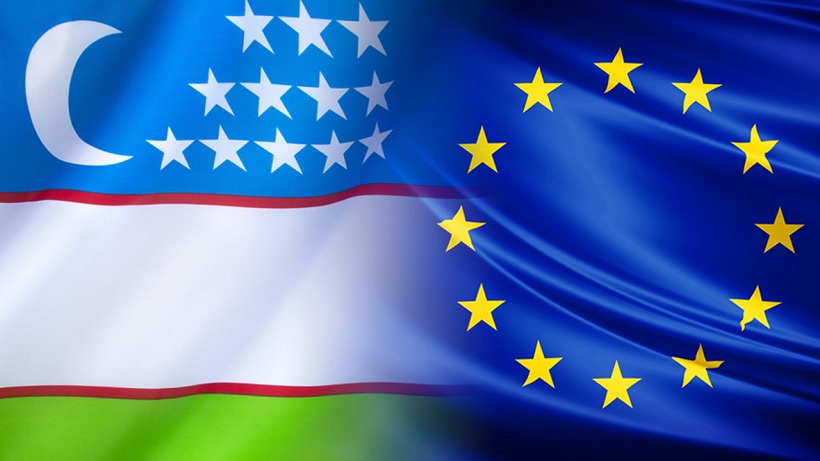
In recent years, tourism has become one of the priority areas of Uzbekistan’s foreign economic strategy. As part of this policy, the country is actively developing a partnership with the European Union, turning the tourism sector into a powerful tool for economic growth, cultural exchange and strengthening its international image.
Cooperation with the EU covers a wide range of initiatives - from joint infrastructure and digital projects to promoting tourism on the global stage. An important milestone was the holding of the first “Central Asia - European Union” summit in April 2025 in Samarkand. At the summit, a declaration on strategic partnership was adopted, with special attention paid to the development of tourism.
The President of the Republic of Uzbekistan Shavkat Mirziyoyev presented the “One tour - the whole region” initiative, aimed at uniting tourist routes in Central Asia taking into account EU standards. The goal is to simplify visa procedures, stimulate cultural exchanges and make travel in the region more accessible and attractive to European tourists.
Cultural cooperation has become a key element of this partnership. A significant event was the large-scale production of the ballet “Lazgi”, symbolizing the dialogue of cultures between Uzbekistan and European countries. Uzbekistan also participates in international programs such as Horizon Europe, which contributes to the development of scientific and educational potential, which directly affects the quality of tourism services.
The economic effect is already noticeable. It is projected to welcome more than 11 million foreign tourists in 2025, with industry revenue projected at $4 billion. To achieve these goals, Uzbekistan is actively modernizing its infrastructure and introducing digital solutions in tourism. An example is the CAREN program, which provided high-speed communication between universities in Central Asia and Europe, facilitating the exchange of experience and innovations in the field of tourism.
Particular attention is paid to promoting the tourism image of Uzbekistan on international platforms. Leading media resources such as Euronews, BBC, CNN and National Geographic present the country as a promising destination, which contributes to the growth of tourist flows from Europe.
Road shows organized in European capitals - Berlin, Paris, Madrid, Rome, Zagreb and Warsaw - have made a significant contribution to the popularization. These events not only presented the cultural heritage of Uzbekistan, but also became a platform for establishing business connections with tour operators and investors.
In addition, the focus is on the sustainable development of tourism: projects are being implemented to preserve natural and cultural heritage, environmental standards are being introduced in tourist areas, and green infrastructure is being developed.
Partnership Uzbekistan and the European Union in the field of tourism is not just an exchange of experience, but a strategic alliance that brings real economic, cultural and social results. Cooperation opens up new opportunities for the region, strengthens ties between peoples and makes Central Asia more open and attractive to the world.
UmidShadiev
Chairman of the Tourism Committee
Related news

Uzbekistan has moved its economic cooperation with the Turkic states into a practical dimension
Ahead of the 13th Summit of the Organization of Turkic States, scheduled to be held in Ankara, economic cooperation within the OTS is acquiring new substance.

Water security in the turkic world: shared interests and common solutions
Water is a precious blessing that transcends national borders and has long connected peoples and civilizations.

Strengthening Transport Connectivity in Asia through the Development of the Trans-Caspian International Transport Corridor
Shifting international supply chains and expanding trade in Asia are driving demand for sustainable transport routes. For businesses, predictable delivery times, competitive rates, and reliable access to foreign markets are becoming increasingly important.