
Measures to accelerate implementation of energy projects discussed
President Mirziyoyev held a meeting on implementing major energy projects. Total generating capacity reached 25,800 MW with plans to commission 6,770 MW of new capacity this year. Investment portfolio covers 133 projects worth $51.4 billion.
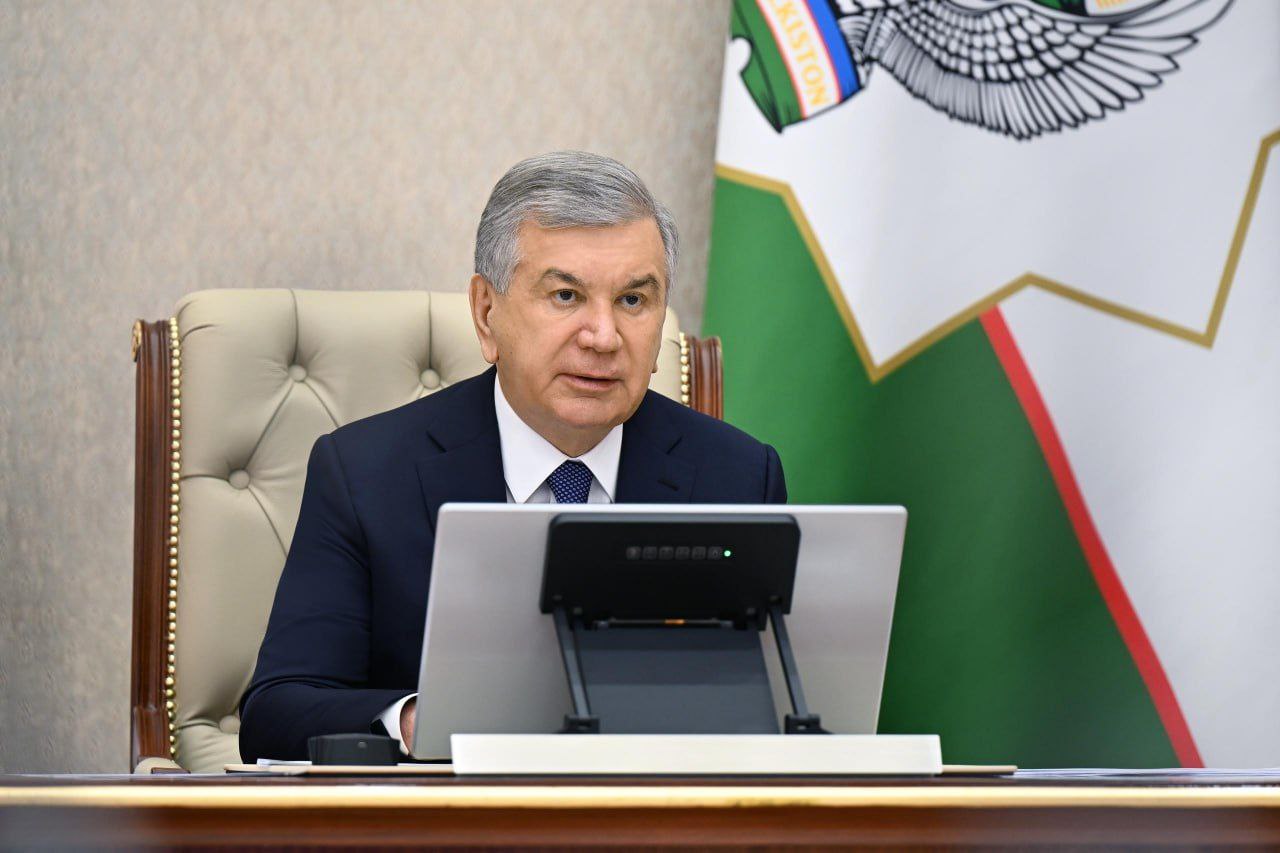
President Shavkat Mirziyoyev held a meeting on the implementation of major energy projects, ensuring the stability of the energy system, and improving energy efficiency.
At the meeting, held in a spirit of critical analysis, it was noted that the total generating capacity for electricity in the country reached 25,800 megawatts. Of these, 8,000 megawatts, or 31 percent of the total, come from solar, wind, and hydropower. In 2026, electricity production is planned to reach 90 billion kilowatt-hours, representing a 40 percent increase compared to 2020.
This year, amid economic growth and increased production volumes in industries, an additional increase in electricity consumption of 1 billion kilowatt-hours is expected. In this regard, priority tasks include uninterrupted supply of energy to the population and economy, network modernization, increased investment, and timely commissioning of major facilities.
The investment portfolio of the fuel and energy complex covers 133 projects worth a total of $51.4 billion. The meeting indicated that a systematic approach is needed for 73 major projects worth $43 billion, and by year-end 6,770 megawatts of new capacity must be commissioned, including 2,800 MW of solar, 2,500 MW of thermal, 470 MW of wind, 68 MW of hydro generation, and 884 MW of energy storage systems.
At the same time, delays in approvals and procedures related to land allocation were criticized, causing postponement of expansion of existing projects and launch of new ones. Instructions were given to accelerate resolution of land provision and category changes.
The need for close interaction and coordination between the Ministry of Energy and regional administrations on local energy development and conservation was emphasized.
The importance of expanding participation of domestic producers and products in project implementation was noted. If in 2025 the share of local content in investment projects was $737 million, in 2026 the target is to exceed $1 billion.
In particular, a transformer production plant was launched last year. This year, projects to localize cables and new-type couplings, as well as wind turbine towers and blades, are planned, and a project to localize energy storage systems will begin.
With growing generation volumes, timely delivery of electricity to consumers remains critical. It was indicated that without constructing additional high-voltage trunk lines, there is a risk of generating capacity exceeding consumption volume. The insufficient pace of utilizing funds allocated last year for electrical grid development was also noted.
Plans for the coming years include construction of the Talimardjan-Sugdiyona, Syrdarya-Khalka, and Karakul-Nurabod lines totaling 602 kilometers, and construction by 2030 of the Yangi Angren-Namangan line and Namangan substation. For Tashkent, tasks include constructing 75 km of high-voltage lines and 5 substations, modernizing 69 km of networks and 18 substations, and upgrading 638 km of low-voltage networks and 161 transformer stations.
Plans to improve electricity supply to Fergana Valley regions through integration of energy systems with neighboring states were also discussed. Instructions were given to accelerate construction of the Surkhan-Puli Khumri high-voltage line and its substations.
It was emphasized that much remains to be done in the area of energy efficiency.
In 2026, through systemic and targeted measures, savings of 4.378 billion kWh of electricity and 2.840 billion cubic meters of natural gas must be ensured. Measures were defined to reduce energy consumption at major enterprises by at least 10 percent without cutting production volumes, and to attract $200 million for improving energy efficiency in industries and social facilities.
Instructions were given to develop and implement a program for constructing heating and cogeneration centers in regions. Work will continue on creating one cogeneration center in each district of Tashkent, and construction of seven centers in regions will begin based on the Yunusabad district experience. To ensure stable operation of thermal power plants in the autumn-winter period, instructions were given to develop liquefied gas storage infrastructure.
Following the meeting, the President gave additional instructions on timely commissioning of strategic facilities, accelerated development of trunk and distribution networks, and improving energy efficiency.
Related news
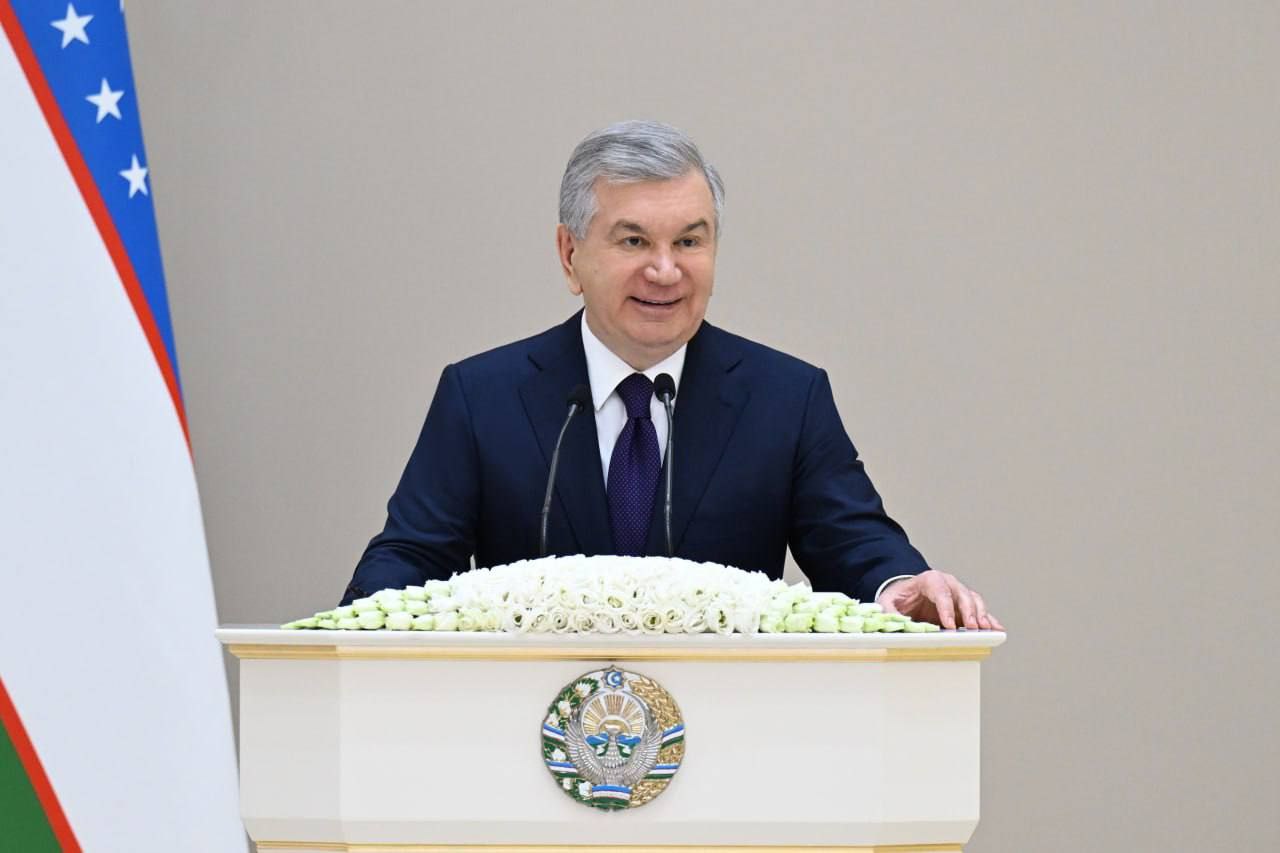
Additional opportunities for supporting youth initiatives identified
A dialogue between President Mirziyoyev and youth was held at the Kuksaroy residence with over 60,000 participants. Additional $200 million for youth entrepreneurship, new credit programs, business incubators, and volunteer support measures were announced.
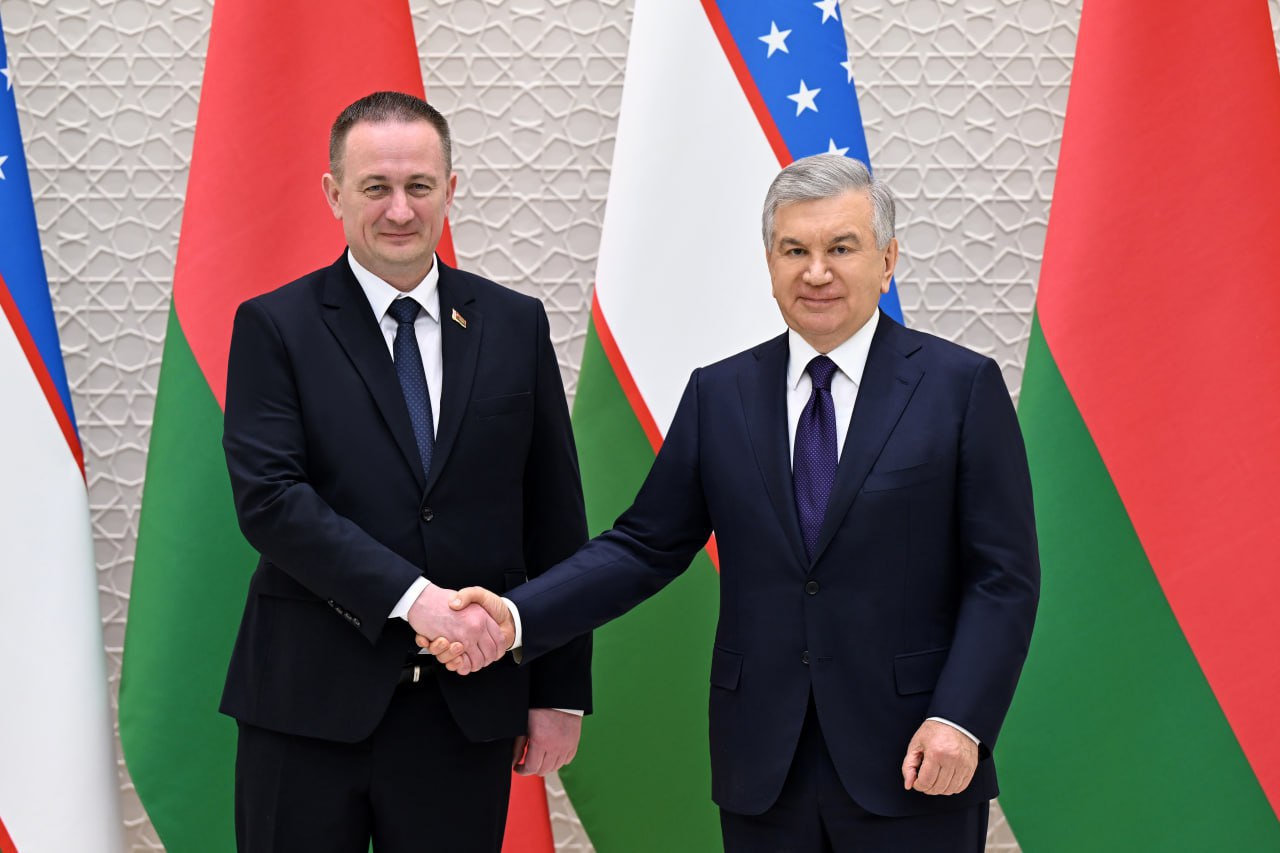
President of Uzbekistan received Prime Minister of Belarus
President Mirziyoyev received Prime Minister of Belarus Alexander Turchin on February 24. Trade turnover grew by 25 percent reaching nearly $1 billion. Importance of joint projects in multiple sectors was emphasized.
President reviewed projects that won the 'President Tech Award' competition
President Mirziyoyev reviewed presentations of President Tech Award winners. The competition selects outstanding projects in AI, fintech, gaming and other areas. Participants grew from 4,000 to 6,000, teams from 444 to 862.