
Calligraphy School established at the Center of Islamic Civilization in Uzbekistan
A Calligraphy School has been established at the Center of Islamic Civilization in Uzbekistan.
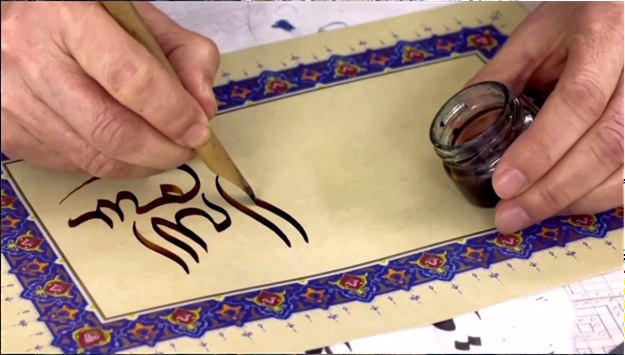
This significant scientific and educational project was announced during a seminar titled “The Calligraphy Heritage of the Timurid Era – Continuity of Traditions” dedicated to the 690th anniversary of the great commander Amir Temur's birth.
The seminar served as an important platform for a broad discussion on the spiritual and cultural significance of calligraphy, bringing together leading experts in the fields of Islamic art, history, and philology.
- The initiative to establish the Calligraphy School at the Center of Islamic Civilization was proposed by our Honorable President on January 29, 2025. A year later, this initiative has been endorsed by all international organizations and the project was officially launched within the framework of the conference dedicated to the Timurid civilization. The establishment of the Calligraphy School is a logical continuation of the large-scale reforms aimed at preserving and promoting cultural heritage in our country, - said Firdavs Abdukhalikov, Director of the Center of Islamic Civilization, in his address to the event participants.
As noted, during the Timurid era, the art of calligraphy reached its zenith and became a symbol of cultural advancement. According to data presented by scholars, after establishing a centralized state, Amir Temur gathered the most skilled calligraphers from various regions to the capital. Styles such as Thuluth, Nasta‘liq and Kufic reached their peak, and famous manuscript copies, such as the renowned “Baysunghur Quran,” were inscribed.
International experts highly commended this initiative. In particular, Mahmud Erol Kılıç, Director General of IRCICA, shared his insights on the role of Islamic calligraphy in world culture and its high aesthetic and spiritual value. Coşkun Yılmaz, Chairman of the Turkish Institution of Manuscripts, provided information on the unique manuscripts preserved in the Süleymaniye Library, emphasizing that a significant portion of them is linked to the history of Central Asia. Sali Shahsivari, Director of the Al-Furqan Islamic Heritage Foundation in the UK, evaluated the Timurid period as an era of genuine educational and cultural awakening.
It was emphasized that the Calligraphy School will function not only as an educational institution but also as a scientific research and cultural center. Within its framework, plans include training specialists, preserving and restoring manuscripts, as well as developing international cooperation.
Related news
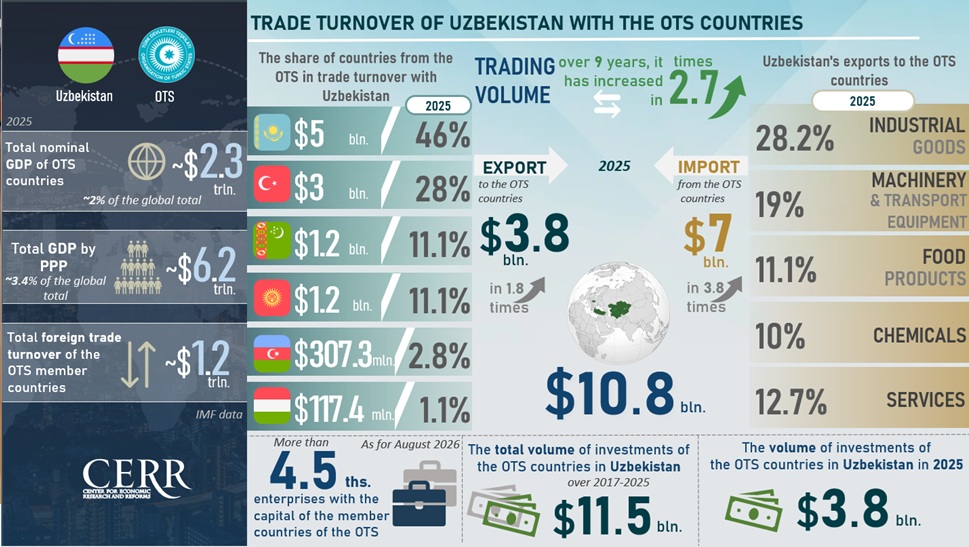
Uzbekistan has moved its economic cooperation with the Turkic states into a practical dimension
Ahead of the 13th Summit of the Organization of Turkic States, scheduled to be held in Ankara, economic cooperation within the OTS is acquiring new substance.
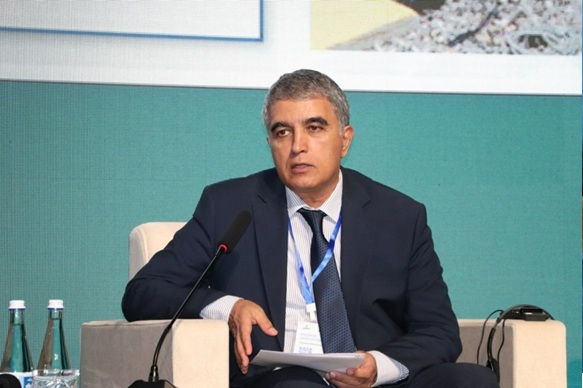
Water security in the turkic world: shared interests and common solutions
Water is a precious blessing that transcends national borders and has long connected peoples and civilizations.

Strengthening Transport Connectivity in Asia through the Development of the Trans-Caspian International Transport Corridor
Shifting international supply chains and expanding trade in Asia are driving demand for sustainable transport routes. For businesses, predictable delivery times, competitive rates, and reliable access to foreign markets are becoming increasingly important.