
Cooperation of Uzbekistan with Central Asian countries in the field of tourism
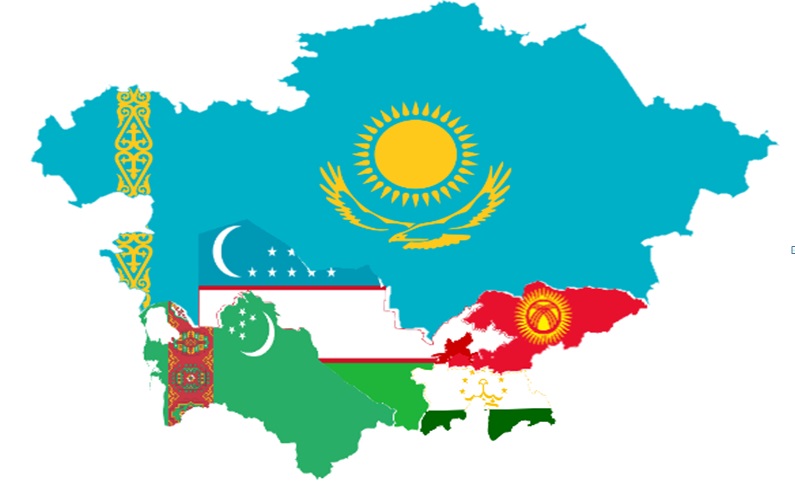
Tourism is one of the key areas of regional cooperation in Central Asia, helping to strengthen economic and cultural ties between neighboring countries. The Republic of Uzbekistan, which has a rich historical and cultural heritage, ancient monuments of the Great Silk Road and modern infrastructure, plays a central role in the development of this area. In recent years, tourism contacts with Kazakhstan, Kyrgyzstan, Tajikistan and Turkmenistan have been actively developing, which creates the prerequisites for the formation of a unified tourism space in the region.
Kazakhstan is traditionally one of the largest partners of Uzbekistan in terms of the number of tourists. Mutual trips by residents of the two countries are showing steady growth: if in 2018 more than 2.2 million citizens of Kazakhstan visited Uzbekistan, then in 2024 - already over 2.8 million people. This growth is associated with the development of transport links, improvement of border infrastructure and active promotion of the cultural heritage of Uzbekistan.
Regular visits by representatives of travel companies, participation in international exhibitions TITF in Tashkent and KITF in Almaty contribute to the establishment of business connections and the exchange of experience. There is great interest in the development of joint routes along the Great Silk Road, including Tashkent, Samarkand, Bukhara, Turkestan and Almaty. In recent years, the parties have been actively working to improve services for tourists. In addition, joint information tours, media projects and fairs are held, which helps to popularize the cultural and historical heritage of both countries.
Cooperation with Tajikistan in the field of tourism has received a new lease of life in recent years. Mutual visits by tourists are growing rapidly: in 2019, about 1.5 million citizens of Tajikistan visited Uzbekistan, and in 2024 - already more than 2.5 million people. This is due to the simplification of visa procedures, improvement of transport links and active promotion of cultural routes.
Both sides take part in international forums, fairs and exhibitions. Particular attention is paid to promoting pilgrimage (ziyorat) tourism routes, as well as the development of gastronomic and ethnographic destinations. Presentations of the tourism potential of Uzbekistan are regularly held in Dushanbe and Khojand, exhibitions of folk crafts and festivals of Uzbek cuisine are organized.
The joint development of cross-border routes connecting the historical cities of Samarkand, Bukhara and Penjikent - ancient centers of civilization, united by a common history and culture - is of great interest.
Kyrgyzstan is one of the main partners of Uzbekistan in the field of tourism, along with Kazakhstan and Tajikistan. The flow of Kyrgyz tourists is growing every year: in 2024, about 2.8 million citizens of Kyrgyzstan visited Uzbekistan, and in the first eight months of 2025 - more than 2.1 million.
Regular meetings and joint forums help strengthen ties between tourism administrations and businesses of the two countries. Of particular importance are joint programs to promote the “Great Silk Road” and “Natural Attractions of Uzbekistan and Kyrgyzstan” routes. These tours allow travelers to see unique sites of two countries within one route - from Samarkand and Bukhara to Issyk-Kul and the Osh Valley.
Interregional cooperation is also developing: Fergana, Namangan and Batken regions are actively interacting, information tours, educational seminars and press visits are held. Much attention is paid to personnel training, development of the hotel business and the introduction of digital technologies in the tourism sector. In the future, the parties plan to develop ecotourism, mountain and adventure routes, as well as create joint tourism clusters.
Despite the fact that the active phase of Turkmen-Uzbek tourism interaction began relatively recently, the dynamics of relations are impressive. The number of citizens of Turkmenistan who visited Uzbekistan increased from less than 6 thousand in 2022 to more than 235 thousand in 2024.
The development of a new cross-border route "Turkmenistan - Khorezm - Karakalpakstan - Kazakhstan", including architectural monuments, desert landscapes and intangible heritage sites, is of particular importance. Tourism in this direction is considered as a tool for strengthening cross-border cooperation and developing small businesses.
In addition, delegations of the two countries actively participate in international forums and conferences held in Ashgabat, Samarkand and Avaza. Uzbekistan and Turkmenistan also plan to develop joint programs of cultural exchange and event tourism.
In general, cooperation between Uzbekistan and the countries of Central Asia in the field of tourism is developing dynamically and systematically. There is an increase in mutual tourist flows, investments are intensifying, cross-border routes are expanding and the region’s international presence in the global tourism market is strengthening.
Tourism is becoming an important factor in strengthening good neighborliness, cultural exchange and economic development. In the future, Central Asia, where Uzbekistan occupies one of the leading places, can become a single world-class tourist region, united by a common history, nature and hospitality of people.
Related news
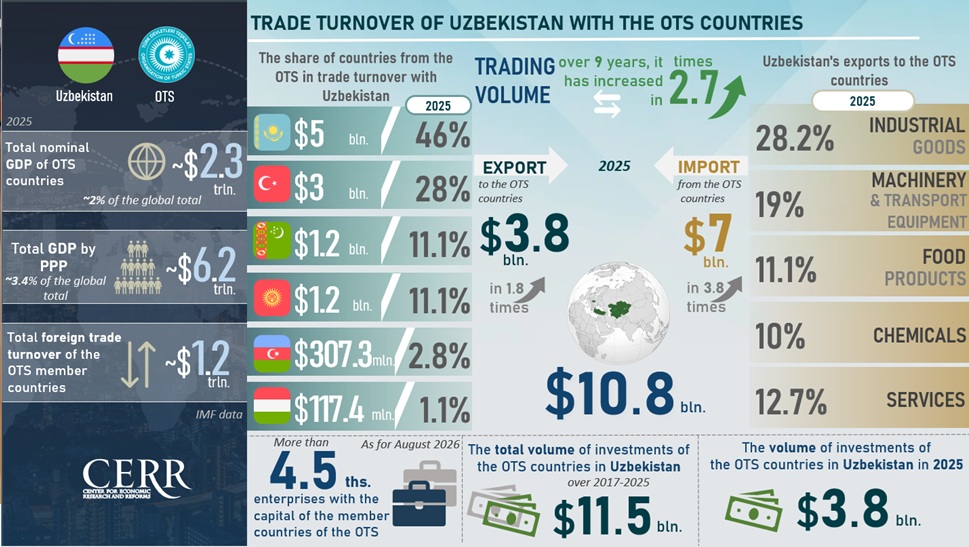
Uzbekistan has moved its economic cooperation with the Turkic states into a practical dimension
Ahead of the 13th Summit of the Organization of Turkic States, scheduled to be held in Ankara, economic cooperation within the OTS is acquiring new substance.
Water security in the turkic world: shared interests and common solutions
Water is a precious blessing that transcends national borders and has long connected peoples and civilizations.

Strengthening Transport Connectivity in Asia through the Development of the Trans-Caspian International Transport Corridor
Shifting international supply chains and expanding trade in Asia are driving demand for sustainable transport routes. For businesses, predictable delivery times, competitive rates, and reliable access to foreign markets are becoming increasingly important.