
A telephone conversation took place between the Presidents of Uzbekistan and Russia
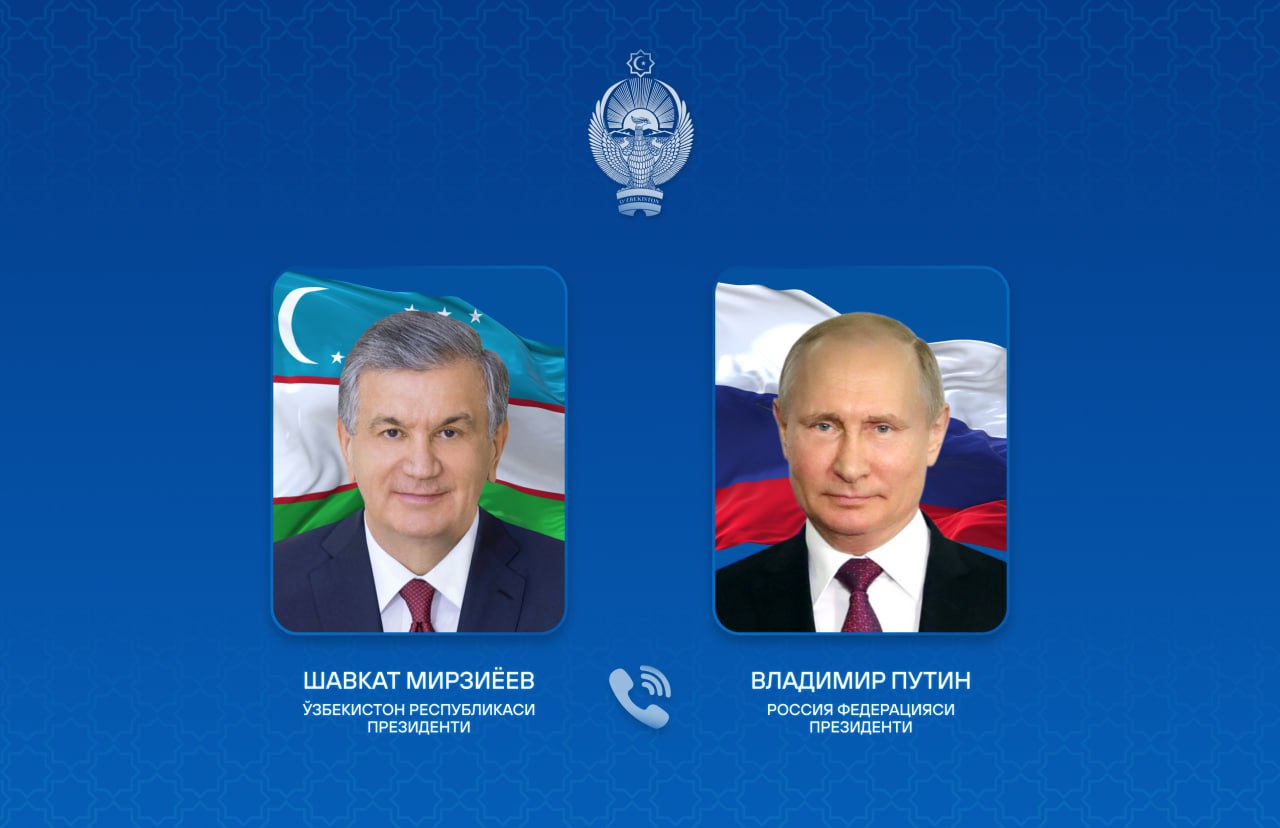
On December 30, a telephone conversation took place between the President of the Republic of Uzbekistan Shavkat Mirziyoyev and the President of the Russian Federation Vladimir Putin.
At the beginning of the conversation, the head of our state strongly condemned the attempt to attack the residence of the President of Russia in the Nizhny Novgorod region.
It was emphasized that such acts pose a threat to stability and security, including within the framework of efforts aimed at achieving long-term peace.
Issues of further development of the Uzbek-Russian relations of strategic partnership and alliance were considered in the context of the implementation agreements at the highest level.
The parties also exchanged views on current issues of the international and regional agenda, discussed the schedule of upcoming events.
In conclusion, the leaders congratulated each other on the upcoming New Year 2026, sincerely wishing good health, happiness and prosperity, and peace and further prosperity to the fraternal peoples of the two countries.
Related news
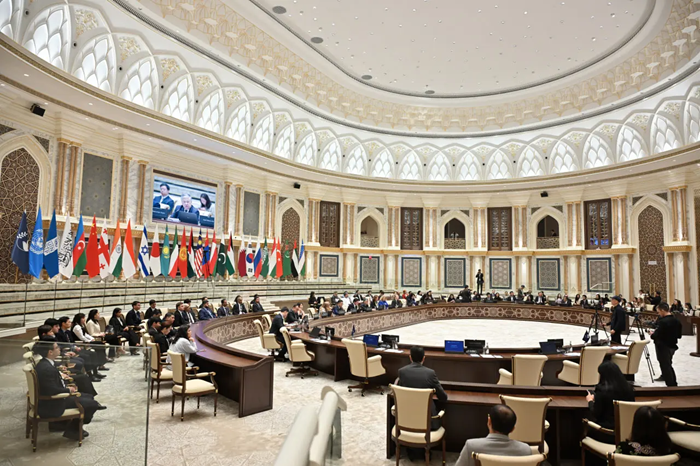
Tashkent Hosts the Tech Diplomacy Asia Symposium
On October 14, 2026, the Tech Diplomacy Asia Symposium was held at the Center of Islamic Civilization in Uzbekistan. The event was jointly organized by the Ministry of Foreign Affairs of the Republic of Uzbekistan and the Tech Diplomacy Global Institute (TDGI).
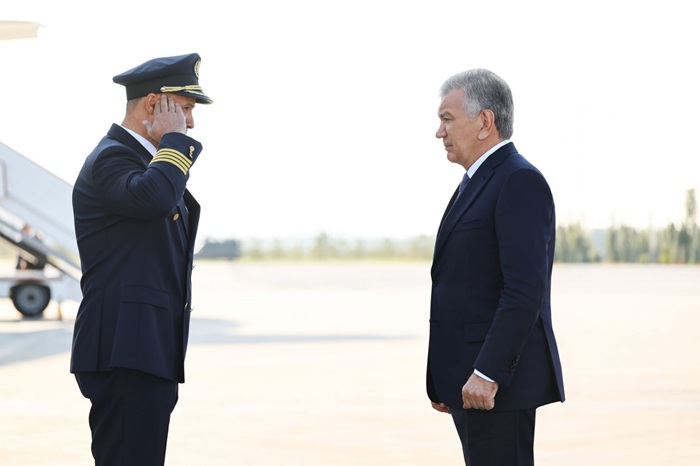
President of Uzbekistan departs for Azerbaijan
President Shavkat Mirziyoyev departed for Baku on October 14 on a working visit at the invitation of President of Azerbaijan Ilham Aliyev.
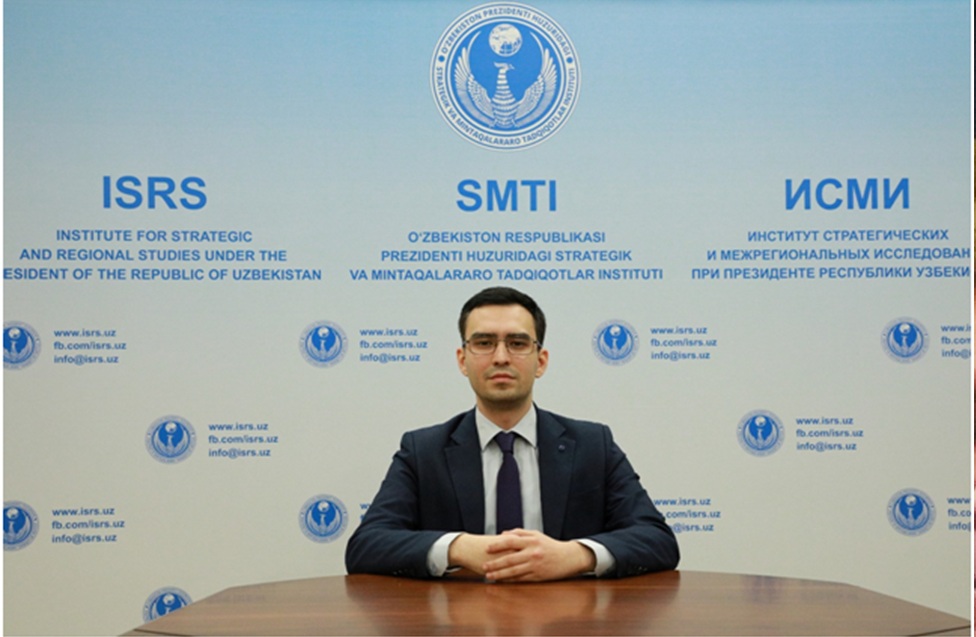
CICA amid a Crisis of Trust: Uzbekistan’s Role in Strengthening Cooperation in Asia
The seventh summit of the Conference on Interaction and Confidence Building Measures in Asia (CICA) will take place in Baku on 15 October.