
Proposals to improve the water resources management system were considered
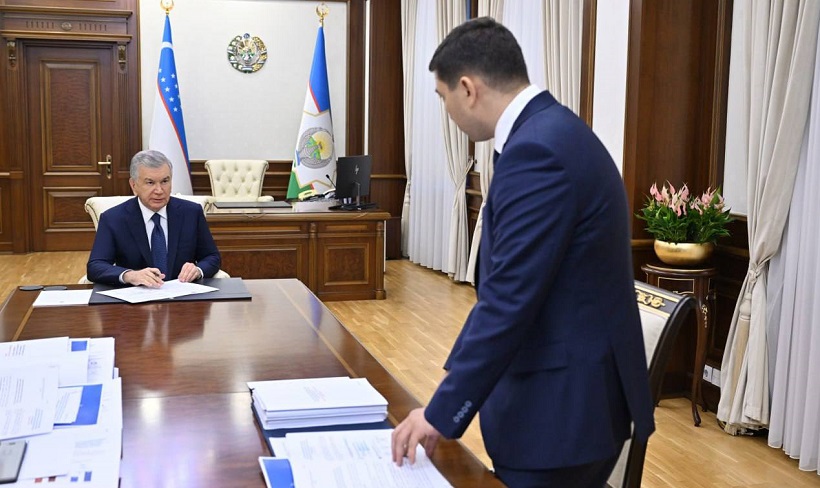
On October 13, President Shavkat Mirziyoyev reviewed a presentation on the digitalization of water management, improving the water resources management system at the grassroots level and increasing the attractiveness of the sector for private sector
Today, the country has more than 50 thousand kilometers of irrigation networks, 1.6 thousand pumping stations and over 10 thousand hydraulic structures. In recent years, systematic steps have been taken to reform the water sector, modernize irrigation infrastructure and increase the efficiency of water use. At the same time, in the work of the lower level of the system, a number of issues remain that require an integrated approach - primarily in terms of increasing the efficiency of service, transparency of calculations and ensuring the financial stability of organizations.
During the presentation, measures to further deepen the digitalization processes and improve management mechanisms in the industry were considered.
Through the information platform "Suv hisobi" the volume will be accurately calculated of used water and electronically communicated to consumers. This system will reduce the influence of the human factor in calculations, eliminate unnecessary paperwork and increase the efficiency of resource use.
To ensure data accuracy, integration with the Digital Agriculture platform will be established. Thanks to this, information on irrigated lands, types of crops and water limits will be automatically updated.
In addition, to combine all industry data into a single system, a Center for Digitalization and Monitoring of Water Management will be created under the Ministry of Water Resources. The center will analyze information on water balance, pumping stations and water consumption, creating conditions for automating decision-making processes.
In the future, issues of digitalization of the water sector will be dealt with by a separate deputy minister responsible for the implementation of modern digital solutions.
The State Water Cadastre information system is being created in the industry. Through it, data on water resources will be collected from relevant ministries and departments and compiled in a single database. This, in turn, will simplify the process of information exchange and reduce the practice of maintaining paper records. The full launch of the system is scheduled for April 2026.
Issues of improving the system for providing water supply services at the grassroots level were also discussed. Based on the needs and seasonal conditions of the services, a flexible staff management system will be introduced. The effectiveness of services will be assessed on the basis of KPI indicators.
From 2026, the system of material incentives for employees will be directly linked to practical results - the ratio between the volume of water supplied and the amount of water delivered to final consumers.
To increase financial independence, institutions are allowed to direct 40 percent of the revenues from the water tax to strengthen their own material and technical base.
The practice of public-private partnership in the management of pumping stations will be expanded. In 2026, 50 percent of pumping stations in Jizzakh, Kashkadarya, Navoi, Namangan, Samarkand and Syrdarya regions are planned to be transferred to private partners, and by 2027 - all pumping stations in the Namangan region.
As part of this direction, the Chartak Experience project will be implemented in the Chartak district of the Namangan region on the principle of “one pumping station - one system.” The private partner will provide water supply within the established limits, and 40 percent of the water tax assessed on the areas tied to the pumps will be transferred to the partner. These funds will be used for the gradual automation of water accounting and modernization of pumping stations.
To explain the essence and benefits of the experiment to dekhkans and farmers, the “Water Workers’ School” project will be implemented. In 2025–2026, one training demonstration field will be created in each district; in total, 3.5 thousand hectares will be covered in 141 districts.
President Shavkat Mirziyoyev gave specific instructions to responsible persons to accelerate digitalization processes in the industry, fully automate accounting and reporting, increase the efficiency of local services, expand the practice of public-private partnerships and strengthen the responsibility of workers. In conclusion, the head of state signed the relevant documents.
Official website of the President of the Republic of Uzbekistan
Related news
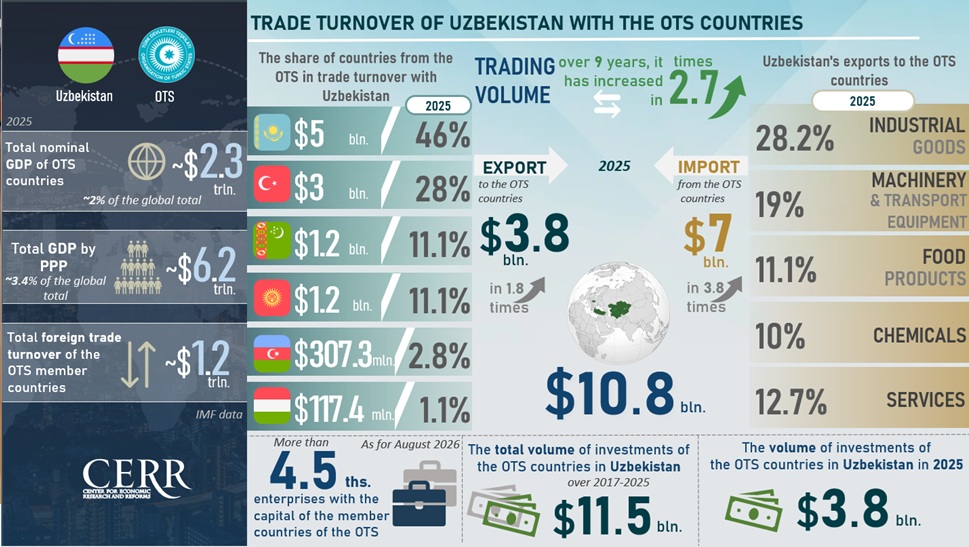
Uzbekistan has moved its economic cooperation with the Turkic states into a practical dimension
Ahead of the 13th Summit of the Organization of Turkic States, scheduled to be held in Ankara, economic cooperation within the OTS is acquiring new substance.
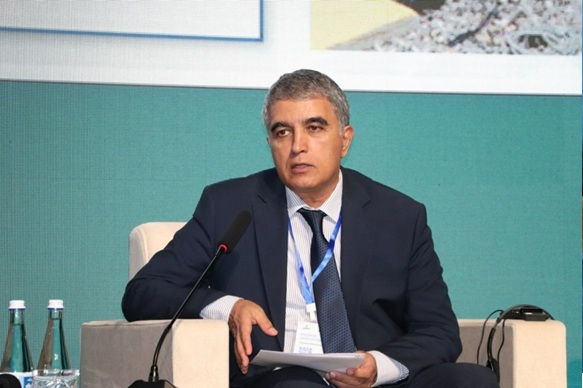
Water security in the turkic world: shared interests and common solutions
Water is a precious blessing that transcends national borders and has long connected peoples and civilizations.

Strengthening Transport Connectivity in Asia through the Development of the Trans-Caspian International Transport Corridor
Shifting international supply chains and expanding trade in Asia are driving demand for sustainable transport routes. For businesses, predictable delivery times, competitive rates, and reliable access to foreign markets are becoming increasingly important.