
Proposals to reduce the shadow economy were considered
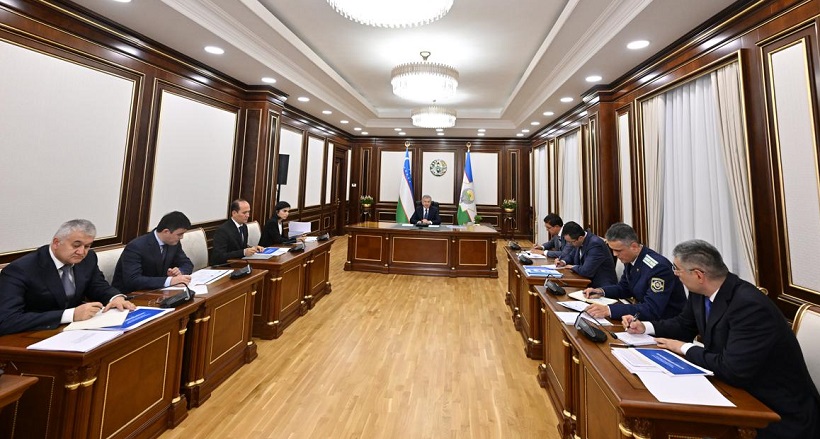
On August 11, President Shavkat Mirziyoyev reviewed a presentation on improving the system for countering the shadow economy.
In the past, high administrative pressure and excessive interference in business led to many entrepreneurs being afraid to work openly. In recent years, large-scale work has been carried out to reduce the tax burden and eliminate bureaucratic barriers: the number of types of taxes has been reduced from 13 to 9, over 100 types of licenses and permits have been abolished.
As a result, the share of the shadow economy has decreased from 45-50 percent in 2019 to the current 35 percent. However, this share needs to be reduced further.
During the presentation, priority tasks in this direction were discussed. Responsible managers presented information on factors contributing to the development of the shadow economy and measures to eliminate them.
It was noted that the most effective way is the introduction of modern technological and innovative approaches. For example, the transition of the payment system in Tashkent public transport to a fully automated mode showed that the actual number of passengers is 30 percent higher than previous data. Digitalization of the activities of dekhkan and clothing markets contributes to up to a threefold increase in their revenue.
Instructions were given to introduce similar systems in agriculture, construction, transport, trade and services - industries with the largest share of the shadow economy. The task has been set to review the procedure and timing for issuing licenses and permits, reduce the human factor as much as possible and completely transfer these processes to a digital format. The need to eliminate factors that create conditions for corruption in the areas that entrepreneurs encounter most often is emphasized: tax, banking, customs, utilities, certification.
The development of electronic payments creates convenience for the population and business, and is also an effective tool for reducing the shadow economy. In this regard, it is important to stimulate non-cash payments and increase the number of payment organizations.
The head of state noted that the shadow economy cannot be curbed only by strengthening control - it is necessary to improve the tax culture among the population and entrepreneurs, to encourage those who work honestly.
The task is to apply an individual approach for each area, creating conditions for entrepreneurs under which it will be profitable to conduct an open and legal business. Based on this, instructions were given to improve and digitalize tax administration, provide additional incentives for entrepreneurship, and improve labor relations.
It was emphasized that tax culture should become a matter for the whole society. Honesty, traditionally valued by our people, ultimately brings well-being and prosperity in all areas. It is important to actively promote and widely approve these ideas among the population, it was noted at the meeting.
Official website of the President of the Republic of Uzbekistan
Related news
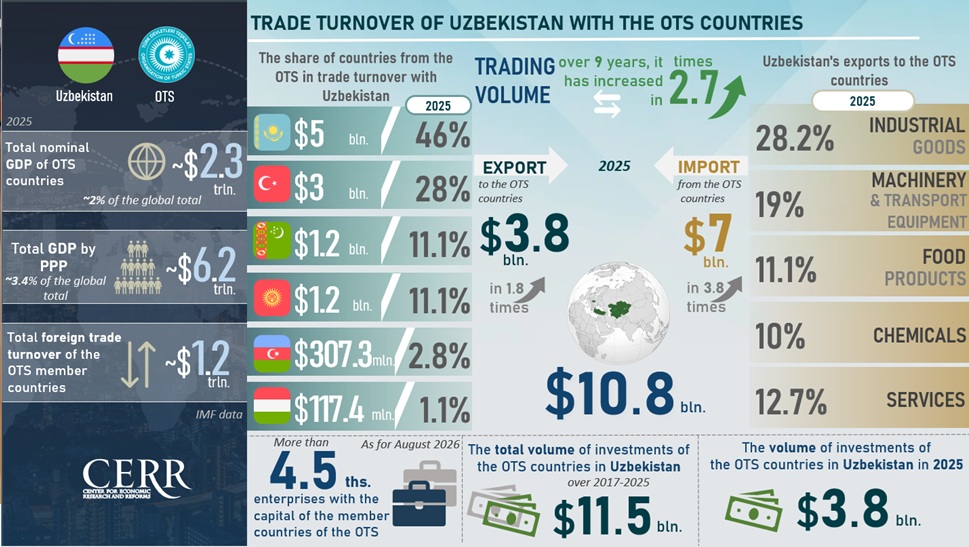
Uzbekistan has moved its economic cooperation with the Turkic states into a practical dimension
Ahead of the 13th Summit of the Organization of Turkic States, scheduled to be held in Ankara, economic cooperation within the OTS is acquiring new substance.
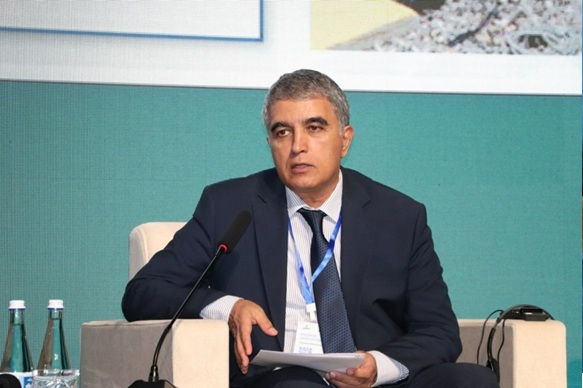
Water security in the turkic world: shared interests and common solutions
Water is a precious blessing that transcends national borders and has long connected peoples and civilizations.

Strengthening Transport Connectivity in Asia through the Development of the Trans-Caspian International Transport Corridor
Shifting international supply chains and expanding trade in Asia are driving demand for sustainable transport routes. For businesses, predictable delivery times, competitive rates, and reliable access to foreign markets are becoming increasingly important.