
The Basic Law is the foundation of trust, sustainability and the future of Uzbekistan
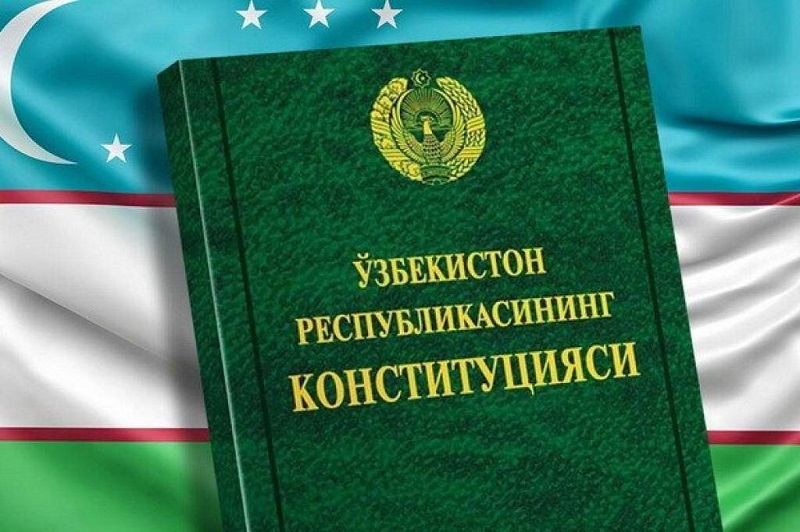
December 8 – Constitution Day of the Republic of Uzbekistan. This day occupies a special place in the modern history of the country, since it was the Constitution, adopted in 1992, that became the fundamental basis for the independence, legal order and democratic development of the state. It determined the vector of formation of the young republic, established the key principles of the state structure and outlined the ways to build an open, peaceful and humanistic society.
The Constitution became a decisive document that provided the regulatory framework for the formation of a sovereign Uzbekistan. It enshrined the political, economic and social model of the future state, based on democratic principles, the rule of law, respect for human rights and individual freedom.
The adoption of the Basic Law was the most important step in the institutionalization of independence, laying a solid legal foundation for all subsequent political and socio-economic transformations.
December 8, 1992 The Constitution was officially adopted at a session of the Supreme Council of the Republic of Uzbekistan and acquired the status of the Basic Law of an independent state.
The dynamic development of society, the growing demands of citizens and the need to introduce modern democratic standards became the prerequisites for a radical update of the Constitution. The new stage of the country's development, known as the period of formation of New Uzbekistan, required a significant expansion of political, social and legal guarantees. It was in this context that a large-scale constitutional reform was carried out in 2023, which became a real milestone in the history of the state.
The preparation of the new version of the Constitution also took place in the format of wide public discussion. In total, more than 222 thousand proposals were received from citizens, which was an unprecedented level of public involvement. The created commissions and expert groups worked out in detail the initiatives of the population, integrating the most popular and relevant ones into the new text. This process has become clear proof that the Constitution of Uzbekistan is truly a people's document - a document created with the direct participation of society.
The referendum on April 30, 2023, in which millions of citizens participated, became the final confirmation of the collective choice and decision of the people. A large-scale international mission of observers from major international organizations, national and foreign civil society institutions ensured high transparency and legitimacy of the process. Based on the voting results, the new version of the Constitution was supported by the overwhelming majority of referendum participants and came into force on May 1, 2023.
The updated Constitution was a significant step towards further democratization of the country. It consolidated fundamentally new approaches to public administration and human rights, expanded social guarantees and strengthened mechanisms for protecting the individual. The number of articles increased from 128 to 155, the number of chapters - from 26 to 27, and the number of norms - from 275 to 434. Thus, the Constitution was updated by more than 65%, which indicates the depth of the reforms carried out.
One of the most important achievements was consolidating the status of Uzbekistan as a social state. The Constitution reflects new social obligations: providing the population with affordable housing, providing a minimum wage corresponding to a decent standard of living, guaranteeing social support for the most vulnerable segments of the population, as well as improving the quality of medical care. These provisions reflect modern understandings of justice, equal opportunity and human dignity.
The updated Constitution significantly expands the guarantees of human rights and freedoms. Rules have been introduced that establish the prohibition of forced labor, the abolition of the death penalty, the protection of citizens from arbitrary detention, and the limitation of detention without a court decision for more than 48 hours. The mechanisms of judicial independence have been strengthened, and the requirements for the responsibility of government bodies and officials have been increased. All these innovations are important for strengthening the rule of law and legal protection of citizens.
The 2023 Constitution also reflected changes in the field of international relations. For the first time, new institutional foundations of Uzbekistan’s foreign policy were enshrined at the constitutional level, reflecting the course of the New Uzbekistan towards openness to the world, strengthening good neighborliness and participation in global processes. It has been established that international treaties have precedence over domestic legislation, which strengthens the integration of Uzbekistan into the global legal space and ensures compliance of national legislation with international standards. The Constitution also guarantees a ban on the extradition of citizens of Uzbekistan, which strengthens the protection of the rights of citizens abroad.
The foreign policy principles enshrined in the new edition also reflect the country’s desire to strengthen regional stability, develop mutually beneficial relations with partners, expand economic diplomacy and active participation in solving global challenges. These provisions indicate that the foreign policy of New Uzbekistan has received a stable institutional basis, which helps strengthen the international authority of the country.
Today, Uzbekistan is confidently moving along the path of modernization, improving public administration, strengthening rights and freedoms, creating conditions for human development and economic growth. The updated Constitution ensures the sustainability of this course and serves as a key guideline for the state and society. Every citizen, relying on the Basic Law, strengthens his confidence in the future, in justice and sustainable development of the Motherland.
Related news
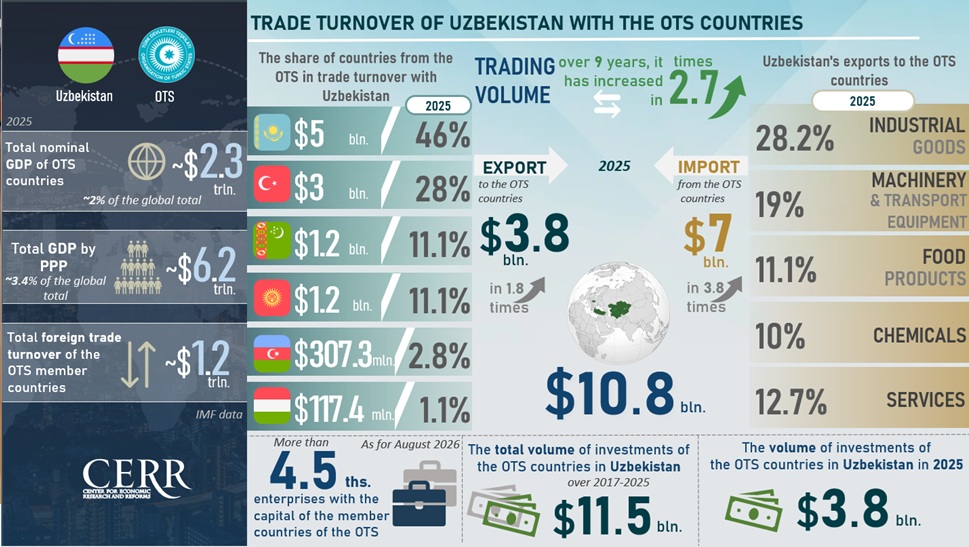
Uzbekistan has moved its economic cooperation with the Turkic states into a practical dimension
Ahead of the 13th Summit of the Organization of Turkic States, scheduled to be held in Ankara, economic cooperation within the OTS is acquiring new substance.
Water security in the turkic world: shared interests and common solutions
Water is a precious blessing that transcends national borders and has long connected peoples and civilizations.

Strengthening Transport Connectivity in Asia through the Development of the Trans-Caspian International Transport Corridor
Shifting international supply chains and expanding trade in Asia are driving demand for sustainable transport routes. For businesses, predictable delivery times, competitive rates, and reliable access to foreign markets are becoming increasingly important.