
Issues of accelerating reforms in the field of technical regulation were discussed
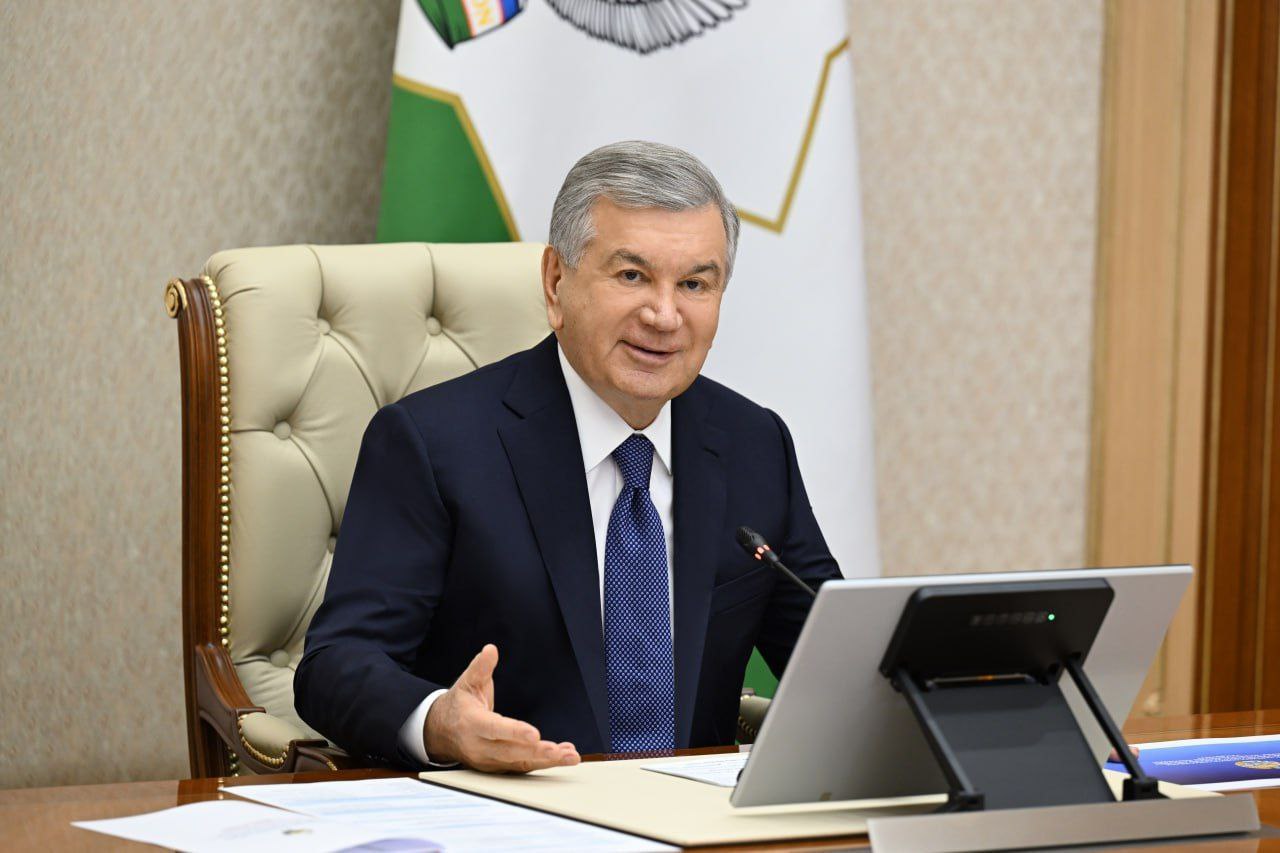
On February 12, President Shavkat Mirziyoyev reviewed a presentation on a radical update of the scope of technical regulation based on international requirements.
Over the past four years, half of national standards have been fully harmonized with international requirements. The accreditation system of our country took 29th place among 185 states. The results of national laboratories began to be recognized by 37 countries, including Germany, Korea and Japan.
At the same time, the requirement for mandatory state registration of 156 high-risk commodity items was canceled. The number of goods subject to mandatory certification decreased by 27 percent.
Thanks to this, a fair competitive environment has been created in the industry and bureaucracy has been reduced, which is recognized by the entrepreneurs themselves.
It is noted that at the same time, many unresolved issues remain in the industry. It is emphasized that in the process of joining the World Trade Organization, first of all, the technical regulation system must fully comply with international requirements.
It is indicated that the practice of checking the activities of enterprises when assessing products becomes the cause of dissatisfaction among entrepreneurs. According to the current procedure, when a product is recognized as non-conforming, it is not its turnover that is limited, but the activities of the entrepreneur producing these products.
In developed countries, there is a market control system based on risk analysis. In this model, the manufacturer, declaring the conformity of the product, takes full responsibility and guarantees quality and safety.
In this regard, our country plans to phase out state control and transition to market supervision mechanisms. For this purpose, a separate bill “On Market Control” has been prepared.
It is noted that it is necessary to abandon outdated standards and ineffective technical regulations and completely switch to international standards. Currently, there are more than 33 thousand standards, 50 percent of them are outdated or do not comply with international requirements.
In this regard, it is planned to cancel 6 technical regulations, and 29 - to revise. This year it is planned to adopt 4 thousand 460 international standards, next year - more than 2.5 thousand, in 2028 - 817.
Plans were reported to fully implement international standards in the production and provision of services in the textile, leather, furniture, electrical, automotive and information technology industries from July 1, 2026, oil and gas, metallurgy, transport industries, the building materials and medical products industry from 2027, as well as in the energy, chemical industry, ecology and service from 2028.
The need to further simplify the certification process was noted. It is indicated that the current cumbersome system leads to an unreasonable increase in costs and creates conditions for bureaucracy and corruption. It is proposed to introduce an assessment system based on risk analysis, cancel mandatory certification for the remaining product items and gradually move to declaration.
In general, it is advisable to adopt the Law “On General Product Safety,” noted at the presentation.
Institutional reforms will be carried out in the area. A decision was made to reduce the number of organizations in the structure of the Agency for Technical Regulation from five to three due to the abolition of the Uztest center and the transfer of the Accreditation Center to the subordination of the Cabinet of Ministers.
It was proposed to completely transfer testing and certification services to the private sector. There are currently 207 testing laboratories and 73 certification institutions operating in the private sector, covering all sectors. In order to create a healthy competitive environment, it is planned to attract leading international companies, including “Intertek” (England), “SGS” (Sweden), “Bureau Veritas” (France), “TÜV” (Germany).
The presentation discussed the implementation of the national mark of conformity “CUz”, ensuring the independence of accreditation bodies, digitalization of the activities of testing laboratories, reforming the system metrology and expansion of the reference base.
Having listened to the opinions and suggestions of entrepreneurs regarding the proposed initiatives and projects, the head of our state gave specific instructions to the responsible persons for the implementation of the new system.
Related news
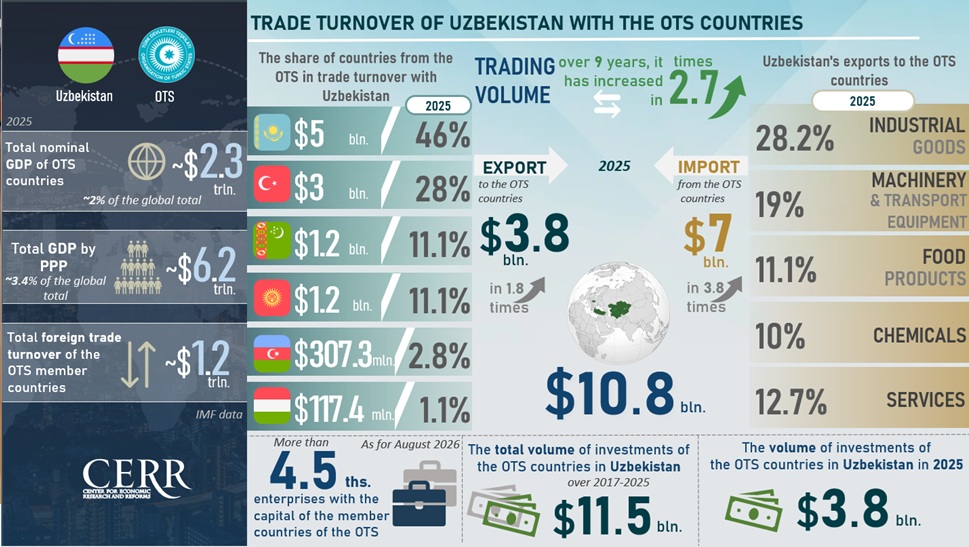
Uzbekistan has moved its economic cooperation with the Turkic states into a practical dimension
Ahead of the 13th Summit of the Organization of Turkic States, scheduled to be held in Ankara, economic cooperation within the OTS is acquiring new substance.
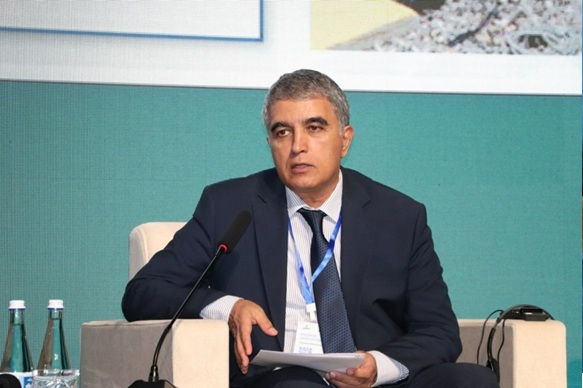
Water security in the turkic world: shared interests and common solutions
Water is a precious blessing that transcends national borders and has long connected peoples and civilizations.

Strengthening Transport Connectivity in Asia through the Development of the Trans-Caspian International Transport Corridor
Shifting international supply chains and expanding trade in Asia are driving demand for sustainable transport routes. For businesses, predictable delivery times, competitive rates, and reliable access to foreign markets are becoming increasingly important.