
We cannot be indifferent to nature, we have no rights to this
Central Asia is known for its unique nature, rich culture and history. But in recent years, the region has been experiencing serious climate changes. There is an increase in air temperature, water shortage, desertification, and more frequent natural disasters.
President Shavkat Mirziyoyev, in his speech at the second Central Asia-China summit, not by chance drew the attention of participants to this problem.
One of the serious challenges to the sustainable development of our countries is the consequences of climate change. Adopting China's best practices in environmental protection will help reduce the risks and threats associated with this crisis. It is necessary to accelerate the adoption of the Green Development Program until 2030 and begin its implementation.
The head of state proposed establishing an Environmental Alliance for dialogue and partnership in the field of combating desertification, restoring degraded lands, increasing bio-ecological sustainability in arid and desert areas. The green development strategy put forward by the President of Uzbekistan is of great importance for ensuring a sustainable future for the country.
What is China's success in the field of green development?
In recent years, the country has achieved significant results in the field. The government has raised green development to the level of national policy, defining clear goals and objectives in this area. The Celestial Empire is actively investing in the field of green technologies, renewable energy sources and environmental protection. Fostering innovation by supporting research and development in green technologies also helps achieve success. Official Beijing has improved the legislative framework in the field of environmental protection and increased liability for violation of environmental requirements. Active cooperation with other states and international organizations in the field of green development deserves special attention.
Such an alliance will help unite the efforts of the states of the region in solving environmental problems, exchanging best practices and implementing joint projects.
The World Meteorological Organization (WMO) has published a long-term forecast “Climate Outlook for 2025-2029”. According to the report, warming in Asia is occurring almost twice as fast as the global average. Central Asian countries urgently need to adapt to droughts, melting glaciers and erratic rainfall, otherwise risks to water, agriculture and energy will increase.
All years in the 2025-2029 period could be warmer than the 1991-2020 climate norm, the WMO warns. In some years, a temporary jump in global temperature above +1.5°C is possible compared to pre-industrial levels.
The accelerated melting of mountain glaciers in Kyrgyzstan and Tajikistan, on which the water supply of the rivers of this region - the Syr Darya and Amu Darya - depends, is of particular concern. Their rapid melting means the risk of water shortage.
Over the past decade, Tajikistan has lost 40 percent of the volume of the largest glacier in the region, the Fedchenko Glacier; Kyrgyzstan has lost 30 percent of its century-old glaciers. This situation is a big problem for these countries, whose economies depend on hydropower resources.
Last year was recognized as the hottest on record - global surface temperatures were +1.55 degrees Celsius above average. According to the UN, water shortages are becoming an obstacle to the economic development of Central Asia.
In March of this year, the region experienced abnormal heat. During March, temperatures were 10 degrees above the pre-industrial average, according to scientists at the World Weather Attribution, an organization that studies climate change and extreme weather events. Rising temperatures threaten agriculture and water supplies in the region, which are already experiencing the negative impacts of climate change.
Also, the drying of the Aral Sea, melting glaciers, water shortages, desertification, soil salinization, and extreme weather pose a serious threat to the sustainable development of the region. These problems, having a negative impact on the economy and the environment, require the states of the region to take immediate action. Climate change is exacerbating the problem of water scarcity, especially in arid regions such as Central Asia.
Climate change contributes to droughts, floods, mudflows and strong winds, which cause great harm to the economy and pose a threat to life and health of the population. Environmental problems lead to the disappearance of biodiversity, reduction of flora and fauna, forest degradation, and disruption of the ecological balance.
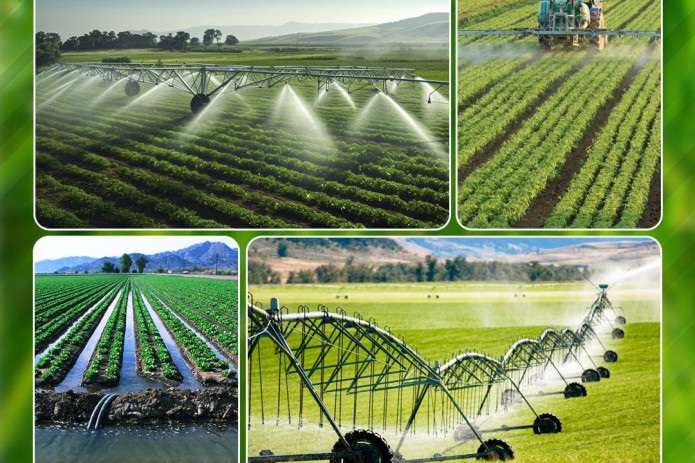
Central Asian states must take a number of measures to mitigate the effects of climate change and ensure sustainable development. It is necessary to rationally use water resources, introduce water-saving technologies, modernize irrigation networks, and apply innovative methods of water management. Also strengthen regional cooperation on transboundary water resources management.
To combat desertification, it is advisable to plant trees, protect soil from erosion, increase forest areas, and introduce sustainable land use methods. By increasing energy conservation and expanding the use of renewable energy sources, greenhouse gas emissions can be significantly reduced. In agriculture, there is a need to use methods adapted to climate change: growing drought-resistant plants, protecting soil from erosion, developing organic farming, creating an effective system for processing and selling agricultural products.
It is necessary to inform the population about the consequences of climate change, how to withstand extreme weather events, how to prepare for such events, and protect themselves from them.
Growth in global population, increasing food consumption, agricultural development, climate change and economic development are leading to a reduction in water resources.
400 regions of the world face water scarcity. According to the World Resources Institute, water shortages can lead to displacement, conflict and political instability.
Agriculture is the world's largest consumer of water. In second place is industry. Regions of the Middle East, India, Pakistan, Botswana, and Eritrea are experiencing water shortages. There is a shortage of it in Turkmenistan, Uzbekistan and Kazakhstan. In Europe, Italy and Spain are facing water shortage problems. During 1961-2020, water consumption in the world increased 2.5 times.
In June of this year, an international scientific and practical conference was held dedicated to the 100th anniversary of the Research Institute of Irrigation and Water Problems, on the topic “Scientific approaches to solving global environmental and water problems in Central Asia.” The event was attended by over 300 people, including representatives of universities, research institutes, as well as delegates from more than 20 countries. Participants highly appreciated the measures to address climate and water issues carried out under the leadership of the President of Uzbekistan Shavkat Mirziyoyev.
Climate change and water scarcity are caused by a number of factors: for example, the use of coal, oil and gas leads to the release of greenhouse gases into the atmosphere, deforestation, improper use of land, irrational use of water, excessive use of chemical fertilizers lead to soil degradation.
We cannot be indifferent to nature, we have no rights to this. It is important to support the initiatives of the President of Uzbekistan and unite under his leadership. It is necessary to introduce energy-saving technologies in industrial enterprises, housing and communal services and the transport sector, modernize irrigation systems, rationally use water-saving technologies, introduce innovative methods of water management and land use, combat desertification, plant trees, restore land, increase forest areas, also switch to environmentally friendly transport, develop public transport.
Widespread implementation of China's best practices, adoption The “green” development program, designed until 2030, the start of its immediate implementation, the formation of a regional Environmental Alliance - these measures are important for ensuring the stable development of Uzbekistan and the region as a whole. All this will help ensure the economic growth of the country, improve the standard of living of the population, and protect the environment.
Shavkat Khamraev,
Minister of Water Resources of the Republic of Uzbekistan
Related news
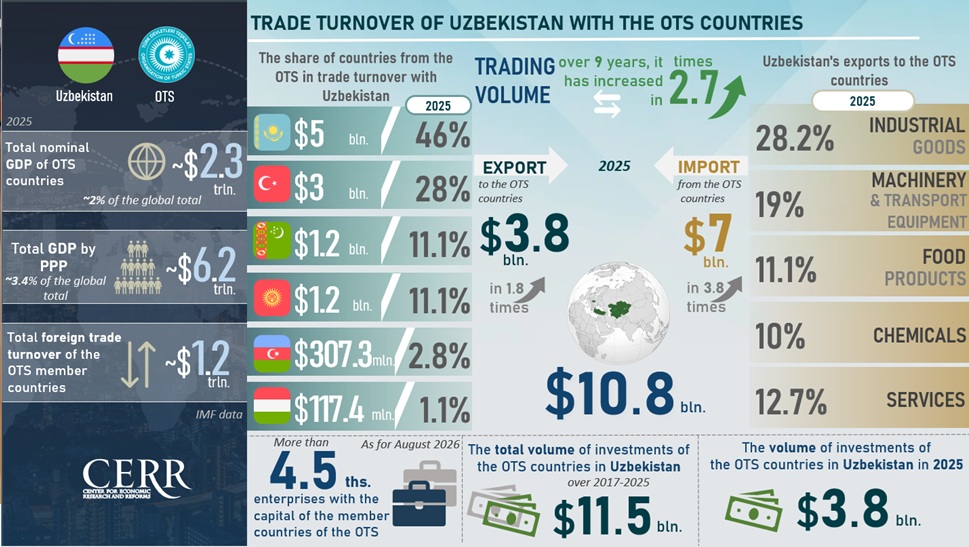
Uzbekistan has moved its economic cooperation with the Turkic states into a practical dimension
Ahead of the 13th Summit of the Organization of Turkic States, scheduled to be held in Ankara, economic cooperation within the OTS is acquiring new substance.
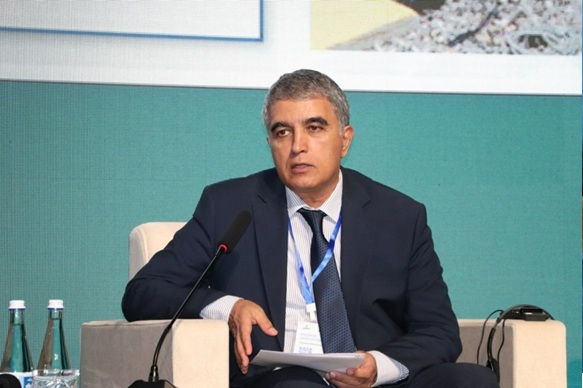
Water security in the turkic world: shared interests and common solutions
Water is a precious blessing that transcends national borders and has long connected peoples and civilizations.

Strengthening Transport Connectivity in Asia through the Development of the Trans-Caspian International Transport Corridor
Shifting international supply chains and expanding trade in Asia are driving demand for sustainable transport routes. For businesses, predictable delivery times, competitive rates, and reliable access to foreign markets are becoming increasingly important.