
Why Central Asia needs a Council of Elders - expert opinion
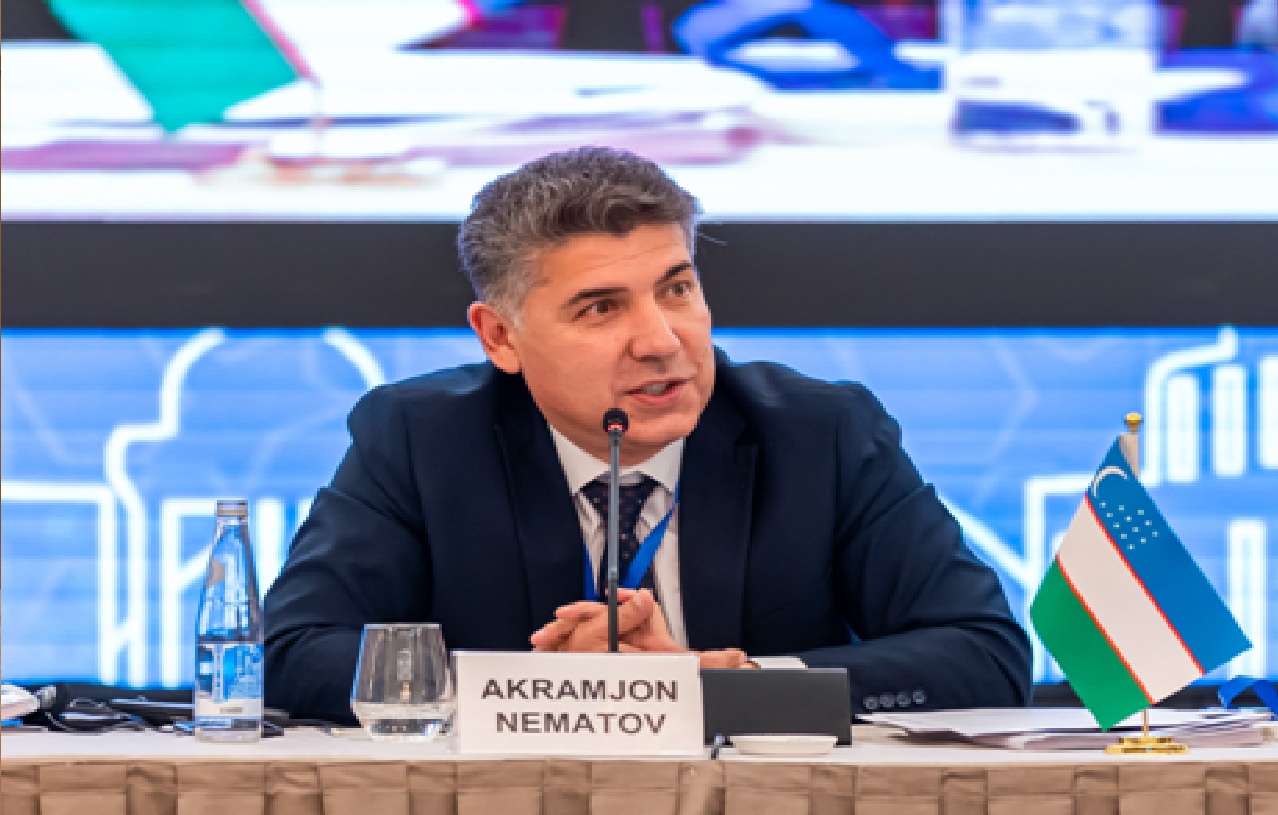
The proposal to establish a Council of Elders of Central Asia aroused particular interest. For some, this looks like a return to traditions; for others, it looks like a new format of regional diplomacy. What is the real meaning of this initiative and what practical role can it play for the future of Central Asia? The first deputy director of the Institute of Strategic and Interregional Studies, Akramjon Nematov, answered this question to a correspondent of the Dunyo news agency:
- The initiative of the President of Uzbekistan to create the Council of Elders of Central Asia really deserves special attention, since it goes beyond the usual institutional decisions and is based on the deep social and cultural logic of our region. This is not about a formal body or a political superstructure, but about a return to those mechanisms of social harmony that historically ensured the stability and internal harmony of Central Asian societies.
Central Asian societies have historically relied on the institution of elders as a mechanism for maintaining social peace, resolving conflicts and developing agreed upon solutions. Unlike formal legal structures, elders had legitimacy based on trust, experience, knowledge of traditions and recognition from society. It was this form of public arbitration that ensured the stability of communities in the face of political transformations, external threats and internal contradictions.
Transferring this logic to the regional level makes it possible to create a unique informal channel of interstate communication, free from the pressure of the current political situation, ideological differences and external influence. The Council of Elders does not replace official institutions and does not compete with government bodies, but complements them, creating a space of confidential dialogue where sensitive issues that are not ready for formalization can be discussed.
From the point of view of regional security, the Council of Elders is capable of performing the function of preventive diplomacy. Its members, possessing high moral authority and knowledge of regional specifics, can promptly identify risks of escalation, promote de-escalation of tensions, act as mediators in crisis situations and offer compromise solutions before problems move into the open phase. This approach is consistent with international best practices in early conflict prevention, but is also rooted in Central Asia's own traditions.
The Council of Elders is of particular importance in strengthening regionalism as a “social glue.” In conditions where formal integration mechanisms often face limitations of sovereignty, mistrust and differences in national interests, it is informal institutions that help maintain a sense of community, solidarity and mutual responsibility. The Council of Elders can become the bearer and transmitter of regional values - good neighborliness, mutual respect, tolerance, compromise and peaceful coexistence.
In addition, the advisory role of the Council of Elders contributes to making more informed and long-term decisions. Relying not on momentary political calculations, but on historical experience, cultural memory and understanding of public sentiment, elders are able to offer recommendations focused on the sustainable development of the region as a whole. This is especially important in issues affecting water and energy resources, environmental challenges, migration, transport connectivity and humanitarian cooperation.
It is important to emphasize that the Council of Elders strengthens the legitimacy of regional cooperation in the eyes of Central Asian societies. Its activities create a feeling of involvement not only of the elites, but also of the peoples of the region in decision-making processes. This creates a bridge between states and societies, between generations, between past experience and future development strategies.
It is important to note that the sustainability of regions is formed not only through treaties and institutions, but also through norms, values, identity and interaction practices. In this sense, the Council of Elders acts as an instrument for the formation of Central Asian identity, consolidating the idea of the region as a space of a common historical path, common challenges and a common destiny.
In general, the Council of Elders can be considered as an instrument for strengthening the sustainability and subjectivity of Central Asia - a space united by a common historical path, common challenges and responsibility for a common future. This is precisely the strategic value of this initiative.
IA"Dunyo"
Related news
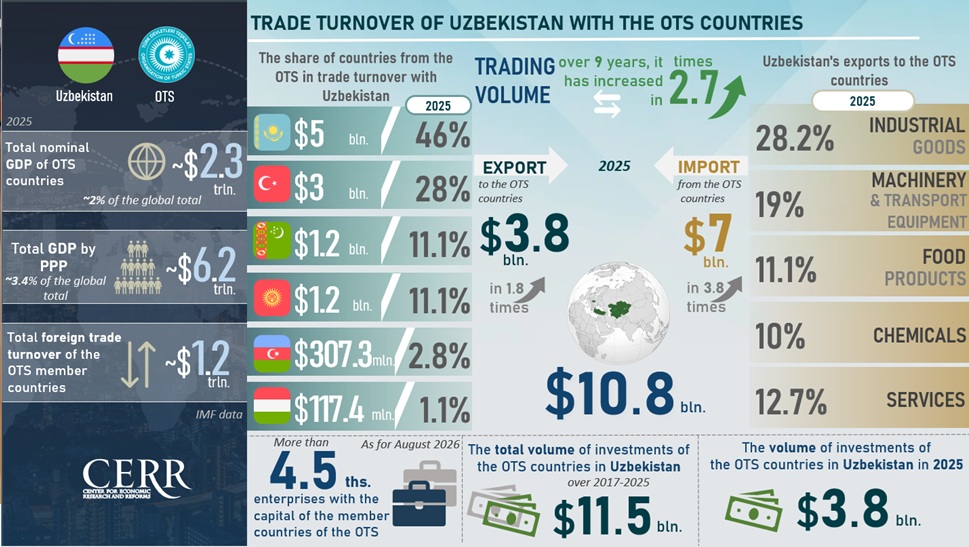
Uzbekistan has moved its economic cooperation with the Turkic states into a practical dimension
Ahead of the 13th Summit of the Organization of Turkic States, scheduled to be held in Ankara, economic cooperation within the OTS is acquiring new substance.
Water security in the turkic world: shared interests and common solutions
Water is a precious blessing that transcends national borders and has long connected peoples and civilizations.

Strengthening Transport Connectivity in Asia through the Development of the Trans-Caspian International Transport Corridor
Shifting international supply chains and expanding trade in Asia are driving demand for sustainable transport routes. For businesses, predictable delivery times, competitive rates, and reliable access to foreign markets are becoming increasingly important.