
A multidisciplinary medical center with modern capabilities begins operating in Jizzakh
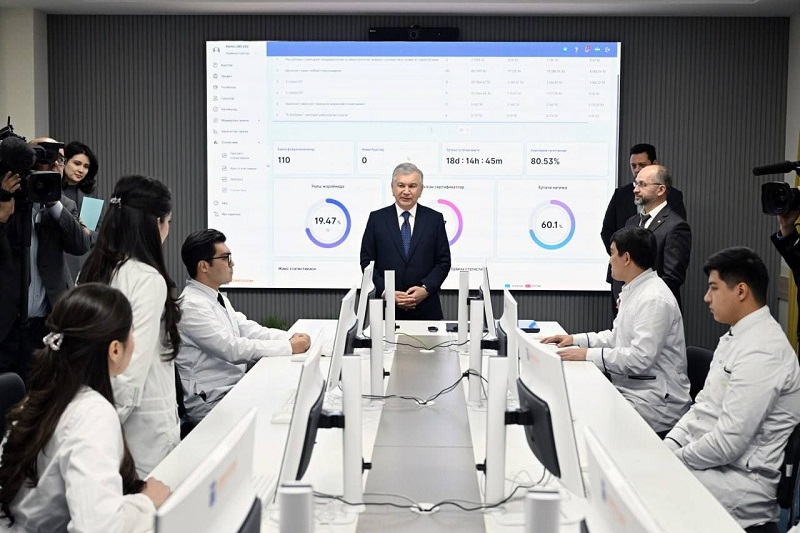
President Shavkat Mirziyoyev visited the newly built multidisciplinary medical center of the Jizzakh region.
The complex is important because it allows providing the population has all the necessary medical services in one place. The project is the first stage in the formation of a medical cluster in the region.
The cluster approach used in modern medicine is recognized as the most effective model for rapid diagnosis, introduction of high-tech treatment methods and reduction of bureaucratic procedures for patients.
The head of our state was presented with information about the capabilities of the institution. The President got acquainted with the conditions created for the treatment of patients and the efficient work of doctors.
The center is located in a modern seven-story building and is capable of receiving up to 400 patients daily. The hospital has 344 inpatient beds. Modern equipment was purchased worth over 100 billion soums - MRI, MSCT, laboratory complexes and high-tech surgical equipment.
The placement of a polyclinic, radiology, cardiac surgery, neurosurgery, ophthalmology and urology departments in one complex will speed up the process of diagnosis and treatment, facilitate the interaction of doctors and the movement of patients. It is especially important that thanks to the new capabilities, queues for high-tech operations will be significantly reduced - this is one of the key social effects of the project.
With the launch of the center, the need for residents of the Jizzakh region to go to republican clinics or neighboring regions will be reduced by 75-80 percent.
Within the framework of the medical cluster, long-term cooperation will be established with the Kazan Federal University to improve the skills of local specialists, introduce advanced diagnostic and treatment methods, and master modern medical standards.
The President talked with the leaders and employees of the healthcare system.
The head of state emphasized the need to abandon outdated approaches in the management of medical clusters and multidisciplinary clinics, introducing new mechanisms, including the involvement of international experts and leading managers in each area of medicine, training and advanced training of specialists directly on site, expanding digitalization and the use of artificial intelligence. It was noted that Jizzakh should become an example of such a new approach.
Special attention is paid to the issue of population satisfaction with the quality of medical services. The President emphasized that the basis of any reforms should be the honor and dignity of a person.
– People care not so much about the building or conditions, but about the quality of services, knowledge, professionalism and honesty of the doctor. When a patient comes to the hospital, he first of all expects attention, an accurate diagnosis, and fast and high-quality treatment. Therefore, the main task is to create a medical system where people are served from the heart, specialists have high qualifications and competencies.
Here a conversation took place with teachers and students of the Jizzakh branch of the Kazan Federal University. It was emphasized that it is necessary to increase the number of practical classes and constantly familiarize students with the achievements of world medicine and best practices.
Related news
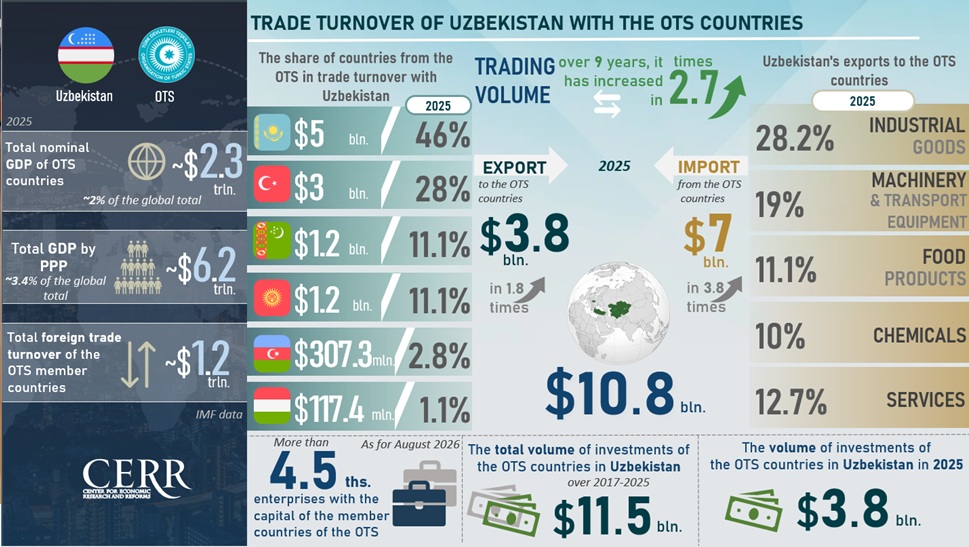
Uzbekistan has moved its economic cooperation with the Turkic states into a practical dimension
Ahead of the 13th Summit of the Organization of Turkic States, scheduled to be held in Ankara, economic cooperation within the OTS is acquiring new substance.
Water security in the turkic world: shared interests and common solutions
Water is a precious blessing that transcends national borders and has long connected peoples and civilizations.

Strengthening Transport Connectivity in Asia through the Development of the Trans-Caspian International Transport Corridor
Shifting international supply chains and expanding trade in Asia are driving demand for sustainable transport routes. For businesses, predictable delivery times, competitive rates, and reliable access to foreign markets are becoming increasingly important.