
In Uzbekistan, food security begins with supporting agricultural producers
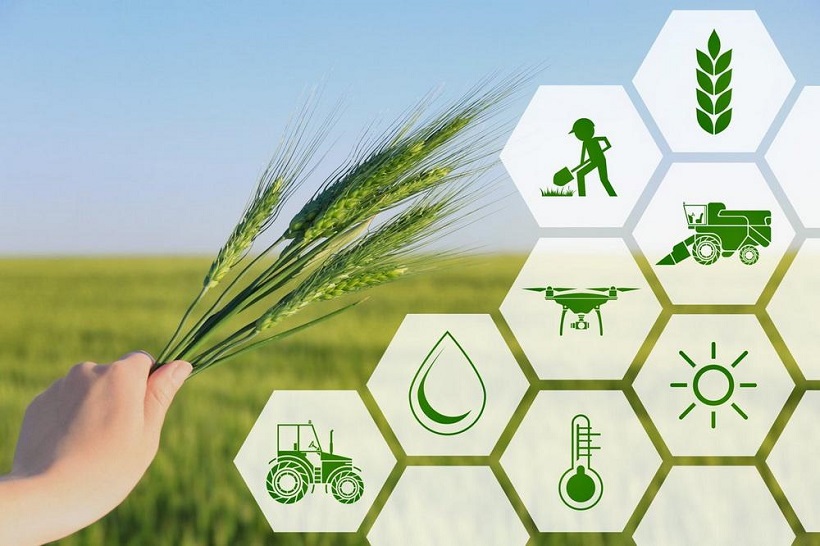
From January 1, 2026, value added tax will be abolished for farmers and dekhkans
Almost people live in rural areas of the republic half the population. Millions of workers ensure food security and form the basis for the export of agricultural products. The country cannot limit itself to developing exclusively cities; it is important that life on the periphery is also comfortable.
Caring for rural residents and stimulating their activities deserve special attention from the state and society. Government support measures are becoming key in strengthening the agricultural sector.
However, agriculture still faces high tax burdens and limited access to financing, which contributes to the growth of the shadow economy. According to various estimates, up to half of agricultural producers work in circumvention of laws, which reduces profitability and slows down development. Without real incentives for the transition to a legal economy, the agricultural sector will continue to be limited in the possibilities of investment and modernization.
In this regard, it is relevant to introduce a zero value added tax (VAT) rate from January 1, 2026 for farmers and dekhkans selling their own products - vegetables, fruits, meat, milk, eggs and other food products. Producers of grain and cotton are excluded, since these industries are regulated through state clusters.
The practice of refunding VAT paid on expenses related to the production of seeds, fertilizers, fuel, logistics, electricity and other items is maintained. As a result, farmers can save up to 700 billion soums annually.
A zero VAT rate will reduce the tax burden, increase the net income of farmers, and allow the use of additional funds for modernization.
According to forecasts, the profitability of farms will increase from 5-7 percent to about 15. This will also make it possible to more accurately plan the volume of subsidies and benefits.
Another effect is the development of processing within the country. When products are more conveniently processed locally, the demand for investment in processing plants and export logistics chains increases, jobs are created, and working conditions improve.
The reorientation of agriculture towards food crops is one of the strategies implemented in recent years. The area under cotton and grain crops is being reduced; instead, gardens, vineyards are being planted, and vegetables are being cultivated. About 1.5 thousand food projects with a total value of one billion dollars have already been implemented.
A zero VAT rate, stimulating processing and export, will strengthen the potential of the agri-food sector, making products competitive and attractive on the international market.
For farmers and dehkans, this is an opportunity to save a significant part of their income. The saved funds can be used to develop the economy, improve working and living conditions, and modernize production. The village receives jobs, an influx of technology, improved product quality and a climate for sustainable development. For the state, this means a reduction in the shadow economy, transparent reporting, precise planning of support, tax benefits and development programs. For society - higher quality and affordable food products, the sustainability of the rural economy and the strengthening of domestic agro-industrial chains.
Nadira Rashidova,
Deputy of the Legislative Chamber of the Oliy Majlis
Related news
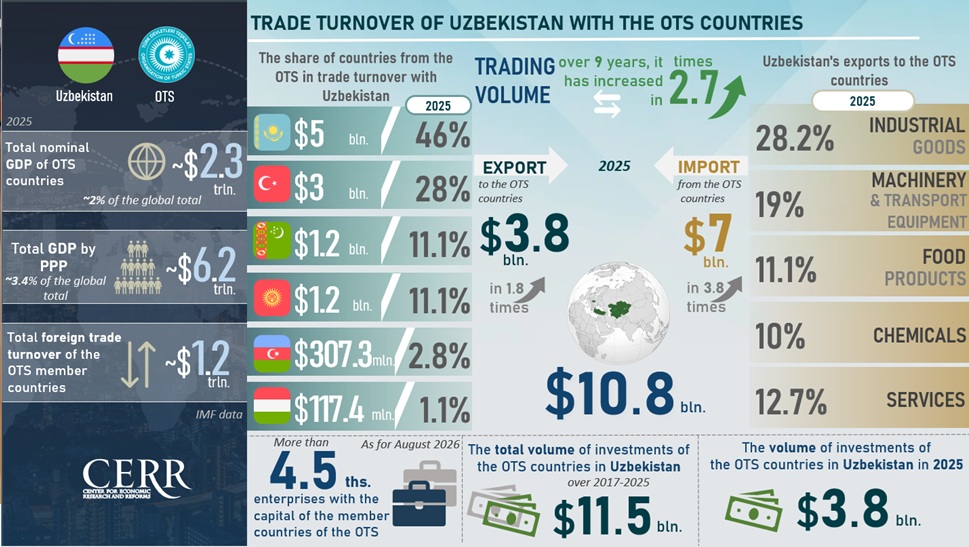
Uzbekistan has moved its economic cooperation with the Turkic states into a practical dimension
Ahead of the 13th Summit of the Organization of Turkic States, scheduled to be held in Ankara, economic cooperation within the OTS is acquiring new substance.
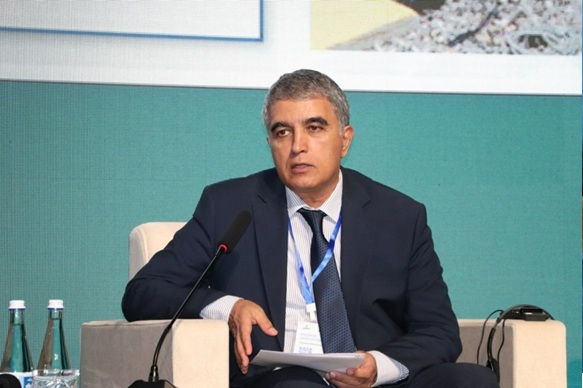
Water security in the turkic world: shared interests and common solutions
Water is a precious blessing that transcends national borders and has long connected peoples and civilizations.

Strengthening Transport Connectivity in Asia through the Development of the Trans-Caspian International Transport Corridor
Shifting international supply chains and expanding trade in Asia are driving demand for sustainable transport routes. For businesses, predictable delivery times, competitive rates, and reliable access to foreign markets are becoming increasingly important.