
Uzbekistan and the UAE are building strong bridges of cooperation
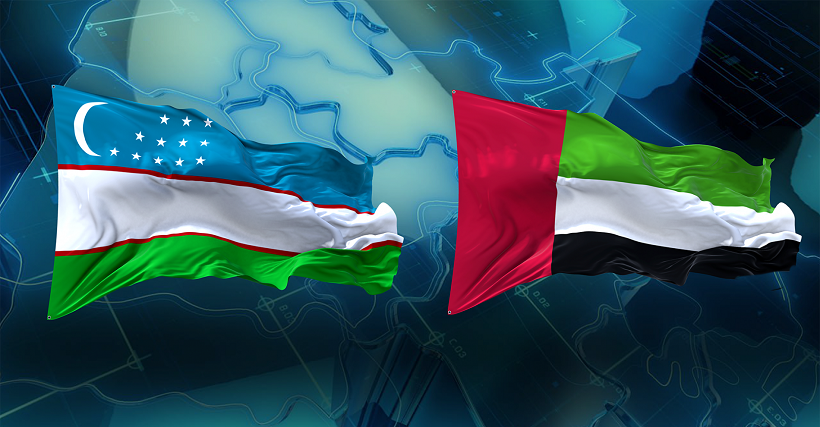
This partnership is not just a diplomatic initiative, but a dynamic exchange of knowledge, technology and policy frameworks. It demonstrates how bilateral cooperation can strengthen institutional resilience, promote the rule of law and improve the quality of public services, benefiting citizens of both countries.
Foundation of shared ambition
The relationship between Uzbekistan and the UAE is based on a shared vision of progress. Both countries are seeking to modernize their governance systems, focusing on digital transformation, transparency and legal reform. For Uzbekistan, a country implementing a large-scale reform program under the leadership of President Shavkat Mirziyoyev, the UAE offers a model of good governance and innovation. In turn, the UAE views Uzbekistan as a key partner in Central Asia with untapped potential for cooperation and investment.
At the heart of this partnership is a series of agreements and initiatives that aim to improve governance, simplify legal procedures and foster a culture of openness and accountability in government institutions. Currently, cooperation between Uzbekistan and the UAE has been effectively established in trade, economic, scientific, technical, tourism, agricultural and other fields. In particular, 32 bilateral documents were signed between the two countries, including 3 interstate, 14 intergovernmental, 6 interdepartmental agreements and 9 other documents that do not have the status of an international agreement.
The collaboration reflects Uzbekistan's broader strategy to bring its legal and governance systems in line with international standards, leveraging the UAE's expertise in advanced technologies and best governance practices. Thus, last year’s visit of a delegation of the Ministry of Justice of Uzbekistan led by Minister Akbar Tashkulov to the UAE became an important milestone towards strengthening cooperation. In particular, during the meeting, Chairman of the Advisory Council of the Dubai Chamber of Commerce Tariq Humaid Al-Tayer noted that the UAE views Uzbekistan as a reliable friend and time-tested partner, with which interaction brings mutual benefit to the peoples of the two countries.
During the meeting, the parties confirmed that the strategic goals of both countries intersect in many directions. The UAE expressed support for the initiatives of the President of Uzbekistan Shavkat Mirziyoyev to create an international commercial court in Tashkent. This support includes a willingness to facilitate the efficient organization of the work of the court, which is key to improving the investment attractiveness of Uzbekistan and guarantees the protection of investor capital.
Cooperation in the field of justice and the rule of law
Uzbekistan and the UAE are working together to reform the judicial system. Enforcement programs focus on simplifying procedures, providing access to legal assistance, and introducing innovations such as electronic document management systems. These initiatives are designed to ensure accessibility of legal services.
The UAE's support for training Uzbek specialists, as well as assistance in harmonizing the legal system with international standards, underscores the significance of this partnership. This exchange of experience is complemented by joint efforts to harmonize Uzbekistan's legal system with international standards, especially in areas such as commercial law and intellectual property rights. Joint efforts help develop the legal infrastructure that will become the basis for sustainable economic growth.
Strengthening bilateral relations between the ministries of justice of the two countries through the signing of a memorandum of understanding will allow interaction in the field of law and justice in the future. The document creates a legal basis for establishing strong relationships, effective and mutually beneficial exchange of experience in the field of law and justice, as well as institutional cooperation.
Thus, within the framework of the memorandum, it is planned to conduct joint events such as forums, conferences, courses on issues related to laws and their implementation, legislation and legal systems, advanced training of lawyers, organization of various expert meetings, training of officials and experts, as well as interaction in forensic science direction.
Transformation of public services and digitalization
One of the most notable aspects of this partnership was the focus on improving public services. The UAE, known for its citizen-centric approach to governance, plays a key role in advising Uzbekistan on the introduction of modern service delivery mechanisms. This collaboration contributes to the further development of a network of government service centers in Uzbekistan, which simplify access to essential services, reducing bureaucracy and increasing efficiency for citizens.
In addition, the UAE's experience in digitalization has become an important factor in shaping the digital government strategy of Uzbekistan. The introduction of electronic document management systems, the creation of online legal information resources and the development of e-government platforms are all direct results of bilateral interaction. Such initiatives have not only increased the accessibility of government services, but also laid the foundation for greater transparency and accountability in Uzbekistan's institutions.
Digital transformation has become a central topic on the bilateral agenda, reflecting both countries' recognition of technology as a driver of governance reform. Uzbekistan's efforts to digitalize its judicial and administrative systems have been greatly enhanced by the UAE's experience. From blockchain real estate registries to AI-powered legal analytics, the partnership pushes the boundaries of innovation in public administration. These efforts are aimed not only at introducing technology, but also at fostering a culture of innovation and adaptability in Uzbekistan's public sector.
Looking ahead
The success of the UAE-Uzbekistan partnership offers valuable lessons for other countries in the region. It demonstrates that bilateral cooperation can go beyond traditional economic and security projects, focusing on governance and institutional reforms. By leveraging each other's strengths, the countries are creating a model of constructive engagement that prioritizes shared benefits and long-term sustainability.
As Uzbekistan continues to implement its ambitious reform agenda, the partnership with the UAE is poised to become even stronger, beyond current achievements. Joint projects in the fields of governance, justice and innovation demonstrate that international cooperation can be a powerful tool for strengthening institutional sustainability and improving the quality of life of citizens. Uzbekistan and the UAE are paving the way for future generations by showing how sustainable progress can be achieved through mutual respect and sharing experiences. This is a testament to the transformative potential of international partnerships in building societies that are not only prosperous, but also fair and inclusive.
Related news
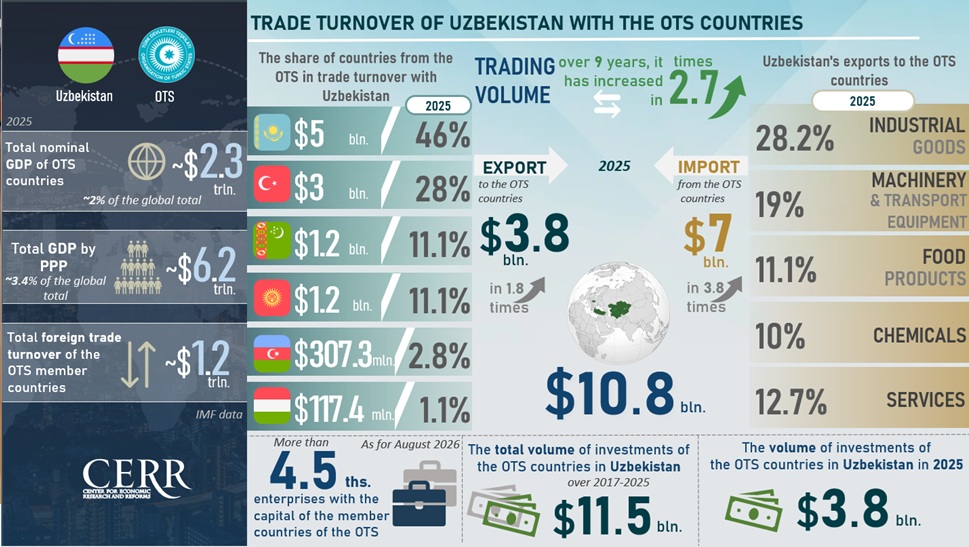
Uzbekistan has moved its economic cooperation with the Turkic states into a practical dimension
Ahead of the 13th Summit of the Organization of Turkic States, scheduled to be held in Ankara, economic cooperation within the OTS is acquiring new substance.
Water security in the turkic world: shared interests and common solutions
Water is a precious blessing that transcends national borders and has long connected peoples and civilizations.

Strengthening Transport Connectivity in Asia through the Development of the Trans-Caspian International Transport Corridor
Shifting international supply chains and expanding trade in Asia are driving demand for sustainable transport routes. For businesses, predictable delivery times, competitive rates, and reliable access to foreign markets are becoming increasingly important.