
Uzbekistan and Finland: digital groundwater modeling as a contribution to climate resilience in Central Asia
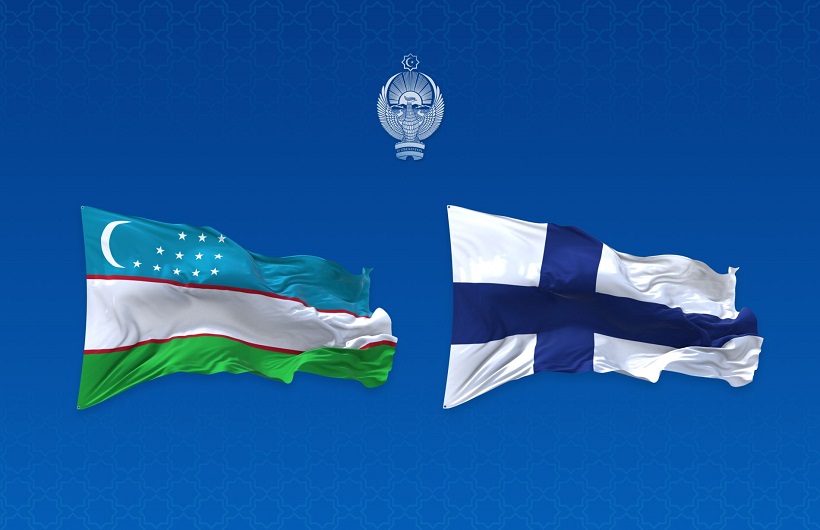
Amid growing water scarcity and climate instability in Central Asia, Uzbekistan and Finland are implementing a unique form of scientific cooperation that combines digital innovation and sustainable water management resources.
In 2021, the Ministry of Mining and Geology of the Republic of Uzbekistan and the Geological Survey of Finland (GTK) signed a Memorandum of Understanding aimed at the rational development of natural resources using advanced technologies. Today, this project has become an example of scientific diplomacy, combining European experience and Uzbek potential.
From paper maps to digital models.
For many years, hydrogeological maps of Uzbekistan existed only in paper form. As part of a joint project, they were digitized using the ArcGIS platform, which made it possible to create a unified national groundwater database. Now specialists can monitor the condition of aquifers, analyze water balance and predict the consequences of climate change.
Finnish experts conducted a series of training programs for Uzbek specialists, introducing modern methods of digital mapping and data processing. This strengthened the human resources potential of the industry and laid the foundation for scientifically based and transparent management of water resources.
Scientific practice: experimental site in Akhangaran.
An experimental site was created in the Akhangaran district of the Tashkent region, where joint groups of scientists conducted geophysical research and built digital models of movement groundwater. The data obtained helps predict groundwater levels, plan water supplies and identify areas at risk of drought. The use of the MODFLOW software package made it possible to develop models that provide science-based solutions in the field of water resource distribution - especially relevant for regions with limited water supplies.
European Partnership for Climate Resilience
Cooperation with Finland has become part of a wider European agenda to support climate adaptation and sustainable development in Central Asia. By combining European technology and Uzbek scientific resources, the project demonstrates how international partnerships can help strengthen environmental security and water stability.
The results of the joint work were published in the journal Water (Scopus) under the title "Assessing Climate Change Impacts on Groundwater Recharge and Storage Using MODFLOW in the Akhangaran River Alluvial Aquifer, Eastern Uzbekistan."
In addition, new areas of cooperation have been opened - with the University of Padua (Italy) in the field of monitoring geological risks and with the Belarusian Scientific and Practical Center for Geology on the monitoring of groundwater.
Looking into the future.
Joint project of Uzbekistan and Finland - It's not just technology transfer. This is a step towards creating a new culture of rational water use and climate responsibility. The creation of a national digital hydrogeological database will be an important element of the country's environmentally sustainable development.
As Europe and Central Asia strengthen cooperation on water, energy and climate, the Uzbek-Finnish project serves as an example of how scientific initiatives can produce real environmental and social results.
Related news
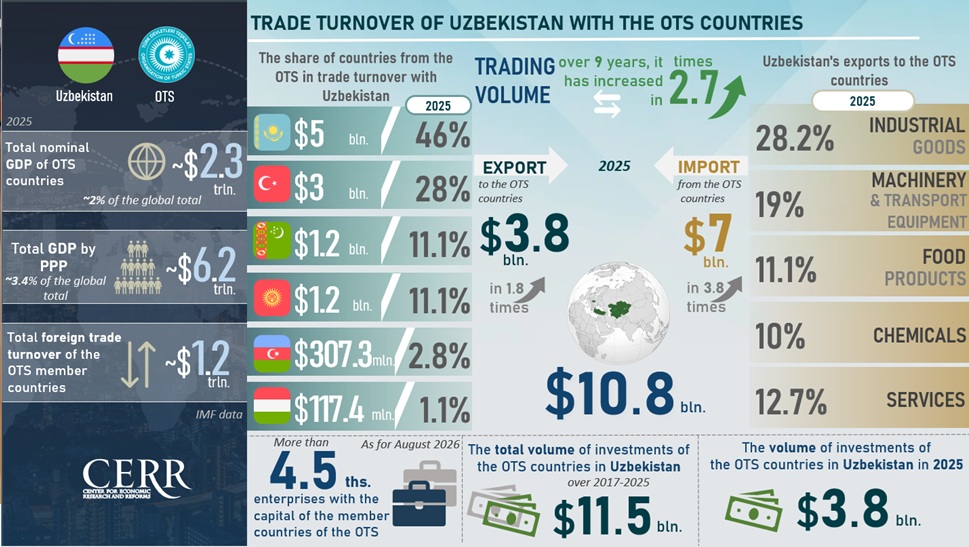
Uzbekistan has moved its economic cooperation with the Turkic states into a practical dimension
Ahead of the 13th Summit of the Organization of Turkic States, scheduled to be held in Ankara, economic cooperation within the OTS is acquiring new substance.
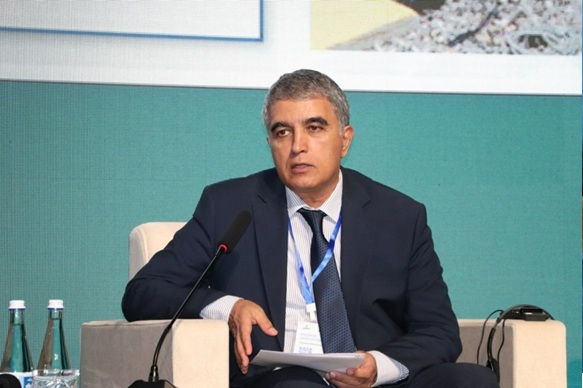
Water security in the turkic world: shared interests and common solutions
Water is a precious blessing that transcends national borders and has long connected peoples and civilizations.

Strengthening Transport Connectivity in Asia through the Development of the Trans-Caspian International Transport Corridor
Shifting international supply chains and expanding trade in Asia are driving demand for sustainable transport routes. For businesses, predictable delivery times, competitive rates, and reliable access to foreign markets are becoming increasingly important.