
Priorities set to advance the electrical engineering industry to a new technological level
On November 9, President Shavkat Mirziyoyev chaired a dialogue with entrepreneurs and foreign investors operating in the electrical engineering industry.
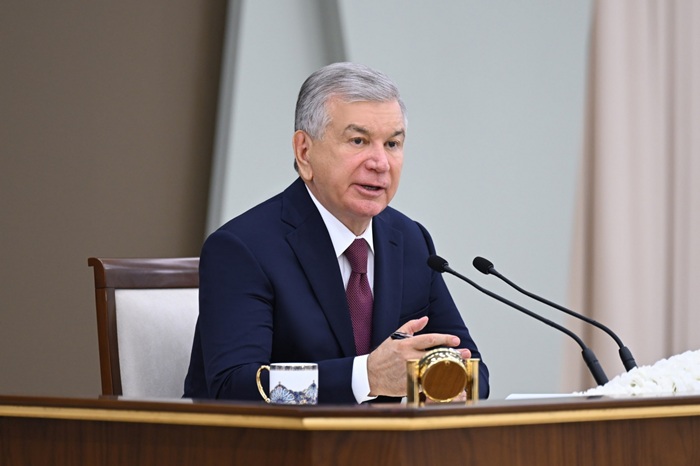
On November 9, President Shavkat Mirziyoyev chaired a dialogue with entrepreneurs and foreign investors operating in the electrical engineering industry.
The meeting reviewed the sector’s achievements and identified priority tasks to expand production, adopt new technologies, manufacture high-value-added products, and boost export potential.
As noted during the meeting, Uzbekistan’s electrical engineering industry has undergone fundamental changes over the past decade. The sector has attracted $2 billion in investment, with 413 new production facilities commissioned. Production of more than 100 new types of products has been launched, including household appliances, solar panels, electronic meters and high-voltage transformers.
As a result, electrical engineering output has reached 50 trillion UZS this year, compared with 1.7 trillion UZS in 2016. Annual investment in the sector has risen to $600 million, while exports have reached $1.6 billion, representing a 14-fold increase over the period.
At the same time, the President emphasized that the country’s existing potential and opportunities have yet to be fully used.
Solar and wind power plants, energy storage facilities, and major industrial and infrastructure projects are being developed across Uzbekistan. Over the next decade, the country plans to implement projects worth $450 billion in various sectors of the economy in cooperation with foreign partners. These developments are creating a substantial, long-term market for electrical engineering products.
The President noted that the industry must go beyond simply expanding production capacity and achieve a major technological breakthrough.
For example, Uzbekistan plans to increase its energy storage capacity to 4.5 gigawatts by 2030. Foreign partners are ready to use locally manufactured products in these projects, but certain types of equipment required are not yet produced in Uzbekistan.
In addition, annual demand for video surveillance equipment in the domestic market reaches $200 million and exceeds $600 million when neighboring countries are taken into account. Demand for ATMs is also high. Last year alone, Uzbekistan imported 9,000 ATMs worth more than $50 million.
In this regard, tasks were set to establish domestic production in these areas and attract new technologies and investors.
Significant opportunities for manufacturing high-value-added products were also identified across the regions. In particular, plans include projects to produce thin copper foil for energy storage batteries and electronics in Tashkent region, inverters and electric vehicle chargers in Jizzakh, energy-efficient electric motors in Namangan, and uninterruptible power supply and cooling systems for servers in Karakalpakstan.
The need to capitalize on opportunities to establish production of office equipment and ready-made cable assemblies in Andijan, servers, interactive panels and touch sensors in Tashkent, and electronic circuit boards for televisions in Kashkadarya was also emphasized.
The President emphasized that these projects would not only help meet domestic demand but also create opportunities to increase exports of electrical engineering products to $5 billion.
To achieve this goal, new priorities have been set for the industry’s development.
Over the next three years, 164 projects worth a total of $11.6 billion are planned in the electrical engineering industry and related industrial sectors.
The projects cover six key areas, including energy infrastructure, the production of cables, transformers and pumps, industrial robotics and instrumentation, electrical equipment for transport and electric vehicles, electronic components and microelectronics, and household appliances.
Responsible officials and key customers will be designated for each area. Tasks have been set to attract anchor investors and strengthen cooperation with research centers and technical universities.
To promote the development of high-tech industries, a Future Technologies Center will be established in the city of Nurafshan.
Enterprises operating at the center will be eligible for the same incentives as IT Park residents. Raw materials and components required for the production of robots, electronics and technological equipment will be exempt from import duties. Income generated from research and development in these areas will also be tax-exempt.
To strengthen ties between scientific research and industry, a national platform called “New Industry” will be developed. In addition, facilities for testing new products will be established in every region at research and development centers or technology parks. These facilities will help expand cooperation between large industrial enterprises and small businesses.
Responsible officials were instructed to prepare a draft resolution on robotics development, along with a comprehensive program to support the instrumentation and electronics industries.
During the dialogue, particular attention was paid to engineering education and training qualified specialists as essential prerequisites for industry's technological advancement.
Currently, 20 students and researchers from technical universities are undergoing training at electronics manufacturing enterprises in South Korea. Their number will soon increase to 100.
Starting next year, a program called “1,000 Design Engineers” will be launched. Under the program, Uzbek specialists will be sent to South Korea, Japan, China, Türkiye and European countries for advanced training. The program will also offer competitive working conditions and salaries to attract highly qualified Uzbek professionals currently employed by leading foreign companies back to the country.
The meeting also addressed ways to expand access to financing for enterprises in the sector.
As noted, several domestic electrical engineering enterprises have secured $80 million from the European Bank for Reconstruction and Development (EBRD) to implement their projects. The bank has expressed its readiness to provide industrial enterprises with an additional $2 billion to $3 billion in loans.
To make full use of this opportunity, new support measures have been introduced to help enterprises prepare to access international financial markets, assess their operations and cover the costs of engaging international consultants. In particular, each enterprise will be eligible for compensation of up to $50,000.
Additional opportunities for domestic manufacturers will also be created through the public procurement system.
Currently, electrical engineering products worth 10 trillion UZS are purchased annually through public procurement. To make the process more convenient for businesses, a unified platform has been introduced to display government procurement orders. Starting January 1, three-year public procurement plans will be published in advance.
At the same time, the public procurement system will move away from selecting products solely based on the lowest bid and introduce a system that considers costs over the entire service life of a product. Under this approach, evaluations will consider not only the purchase price but also energy consumption and the costs of repairs, maintenance and operation.
To expand the participation of domestic enterprises in the construction of energy facilities, a dedicated section for projects in this sector will be established on the Shaffof Qurilish platform, while contractor requirements will be adapted to the technological specifics of each project.
New mechanisms have also been introduced to stimulate demand for domestically manufactured electrical engineering products in the domestic market.
Energy projects implemented under public-private partnerships are currently required to ensure a minimum share of 25 percent locally manufactured products and 70 percent locally produced cable products. These requirements will now also apply to investment projects worth more than $10 million that benefit from certain tax and other incentives or receive government resources on preferential terms.
To make household appliances more affordable and stimulate demand for domestically manufactured products, a consumer loan program will be launched, offering loans at an annual interest rate of 18 percent for the purchase of locally produced refrigerators, washing machines, air conditioners, and other household appliances.
During the dialogue, the President heard proposals and initiatives from foreign investors and domestic entrepreneurs to develop the electrical engineering industry.
Related news
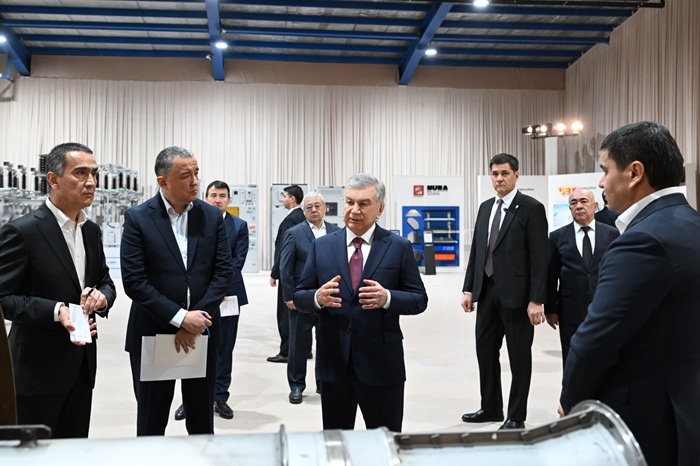
President visits major electrical equipment manufacturer in Yuqorichirchiq district
President Shavkat Mirziyoyev visited the NURA Electric plant in Yuqorichirchiq district of Tashkent region, where he inspected the production process and an exhibition of the company’s finished products.
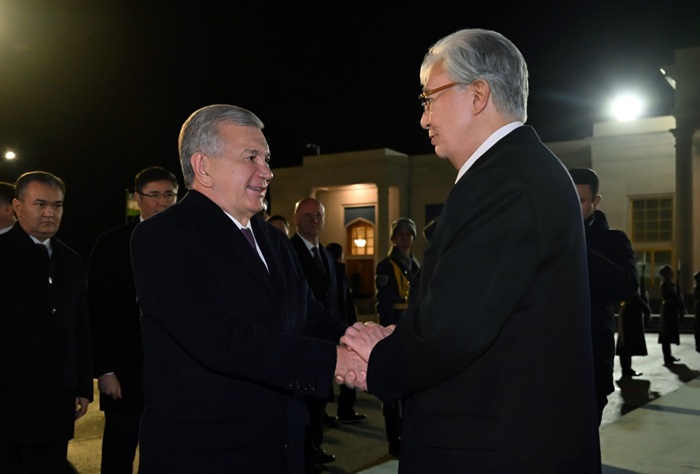
President of Uzbekistan Concludes Working Visit to Kazakhstan
President of the Republic of Uzbekistan Shavkat Mirziyoyev has concluded his working visit to Astana.
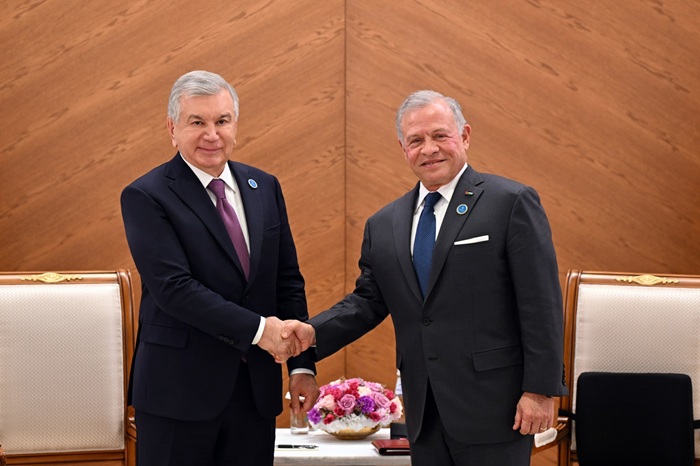
President of Uzbekistan Meets with King of Jordan
On the sidelines of the Aqaba Process meeting in Astana, President of the Republic of Uzbekistan Shavkat Mirziyoyev met with King Abdullah II bin Al-Hussein of Jordan.