
The President of Uzbekistan visited the State Hermitage Museum
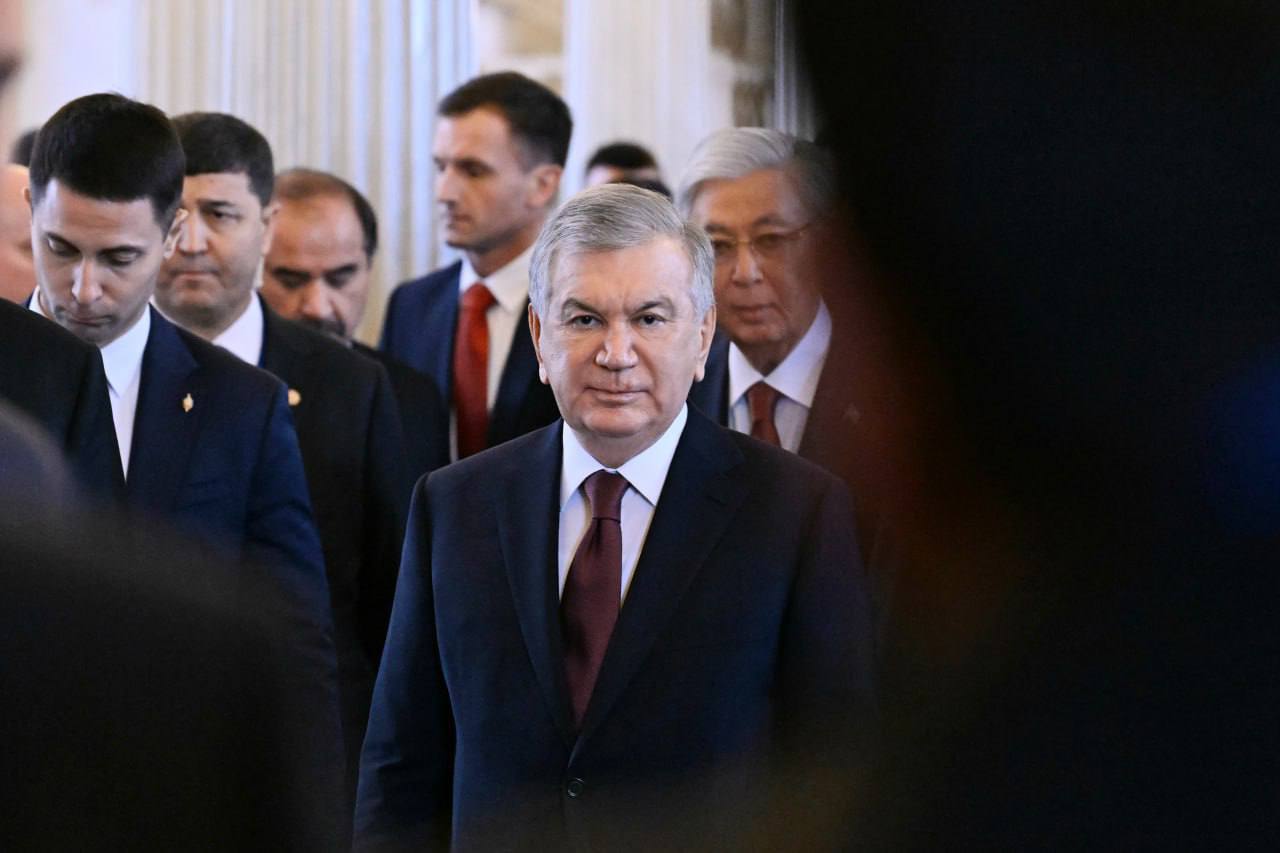
As part of the cultural program of the informal meeting in St. Petersburg, the President of the Republic of Uzbekistan Shavkat Mirziyoyev together with the heads of state members of the Commonwealth Independent States visited the State Hermitage.
The leaders got acquainted with the exhibition of one of the largest museums in the world, which has a unique collection of works of art and monuments of world culture. During the tour, the halls of the Main Museum Complex were visited, reflecting the key stages of the history and artistic heritage of Russia and Europe.
The heads of delegations visited the Alexander Hall, inspected the exhibition of artistic silver, and also visited the Picket Hall and the Armorial Hall, intended for holding ceremonies and official events.
The Golden Pantry with unique works made of precious metals, the Pavilion Hall of the Small Hermitage with the legendary mechanical watch "Peacock" aroused particular interest.
During the visit, the importance of strengthening cultural dialogue, preserving historical heritage and developing humanitarian cooperation between the states of the Commonwealth was emphasized.
Related news
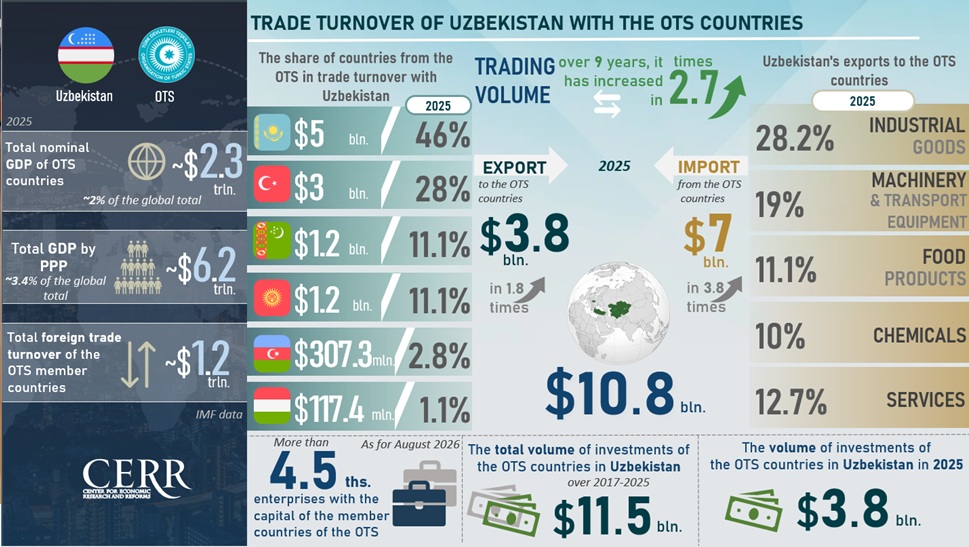
Uzbekistan has moved its economic cooperation with the Turkic states into a practical dimension
Ahead of the 13th Summit of the Organization of Turkic States, scheduled to be held in Ankara, economic cooperation within the OTS is acquiring new substance.
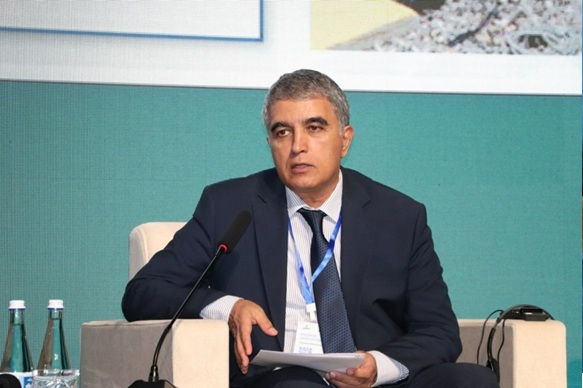
Water security in the turkic world: shared interests and common solutions
Water is a precious blessing that transcends national borders and has long connected peoples and civilizations.

Strengthening Transport Connectivity in Asia through the Development of the Trans-Caspian International Transport Corridor
Shifting international supply chains and expanding trade in Asia are driving demand for sustainable transport routes. For businesses, predictable delivery times, competitive rates, and reliable access to foreign markets are becoming increasingly important.