
The President of Uzbekistan identified the priorities of the strategic partnership with the AIIB
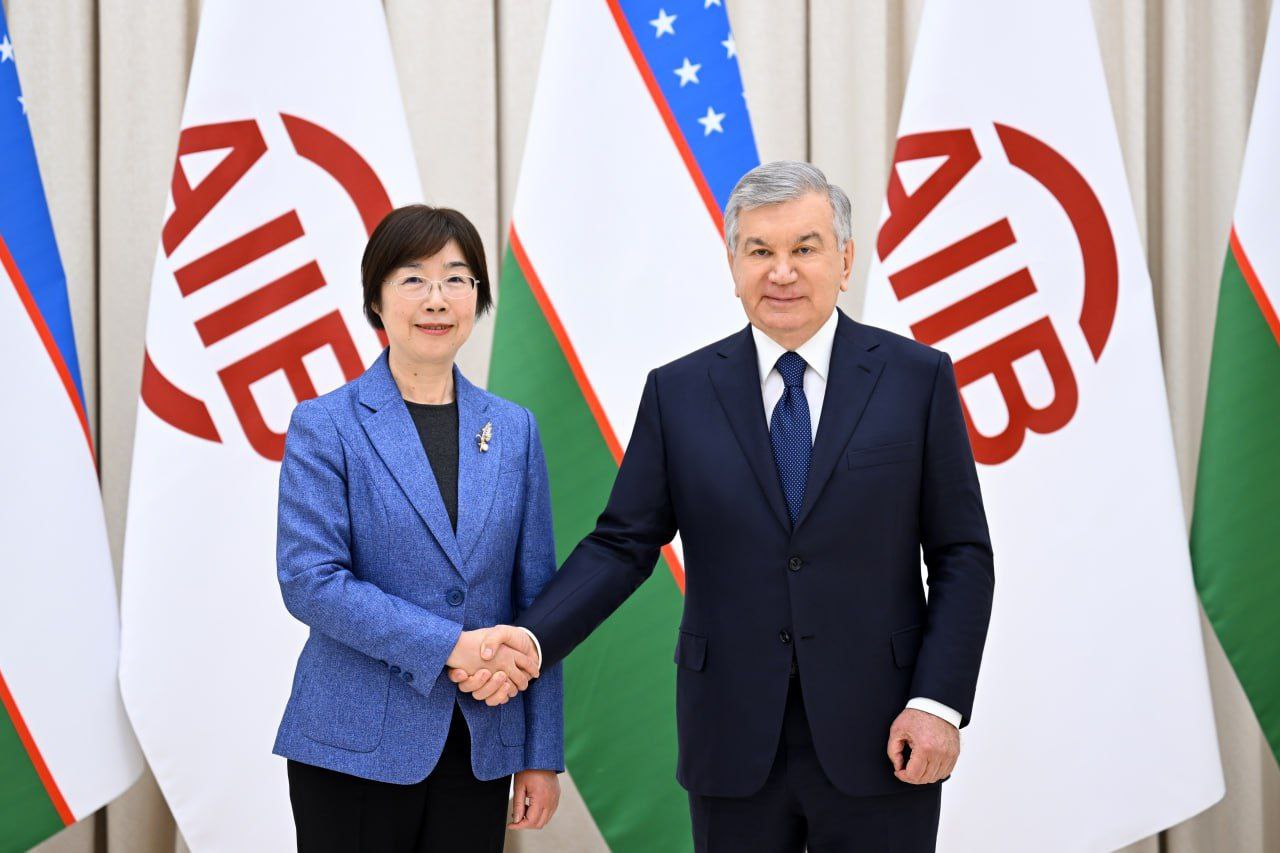
The President of the Republic of Uzbekistan Shavkat Mirziyoyev received a delegation of the Asian Infrastructure Investment Bank led by its President Zou Jiayi on February 10.
At the beginning of the meeting, the leader of our country warmly congratulated the head of this authoritative multilateral financial institution on taking office.
Practical issues of expanding the strategic partnership of Uzbekistan with the Asian Infrastructure Investment Bank were substantively discussed.
In recent years, multifaceted cooperation with the bank has been developing dynamically. The portfolio of ongoing and promising joint projects exceeded $7 billion. Last year alone, the volume of funding amounted to more than $1 billion.
The President of Uzbekistan spoke for expanding productive interaction in such priority areas as supporting the private sector, women's and youth entrepreneurship, preparing and promoting public-private partnership projects, promoting the implementation of poverty reduction programs, developing alternative energy, energy efficiency, water supply, social sphere and others.
The importance of active AIIB's participation in major infrastructure projects of regional importance.
In turn, Zou Jiayi highly appreciated the scale of transformation in our country and declared her readiness to continue full support for the reform program in New Uzbekistan.
Related news

Uzbekistan has moved its economic cooperation with the Turkic states into a practical dimension
Ahead of the 13th Summit of the Organization of Turkic States, scheduled to be held in Ankara, economic cooperation within the OTS is acquiring new substance.

Water security in the turkic world: shared interests and common solutions
Water is a precious blessing that transcends national borders and has long connected peoples and civilizations.

Strengthening Transport Connectivity in Asia through the Development of the Trans-Caspian International Transport Corridor
Shifting international supply chains and expanding trade in Asia are driving demand for sustainable transport routes. For businesses, predictable delivery times, competitive rates, and reliable access to foreign markets are becoming increasingly important.