
Reform programs for 2026 and draft State programs were presented
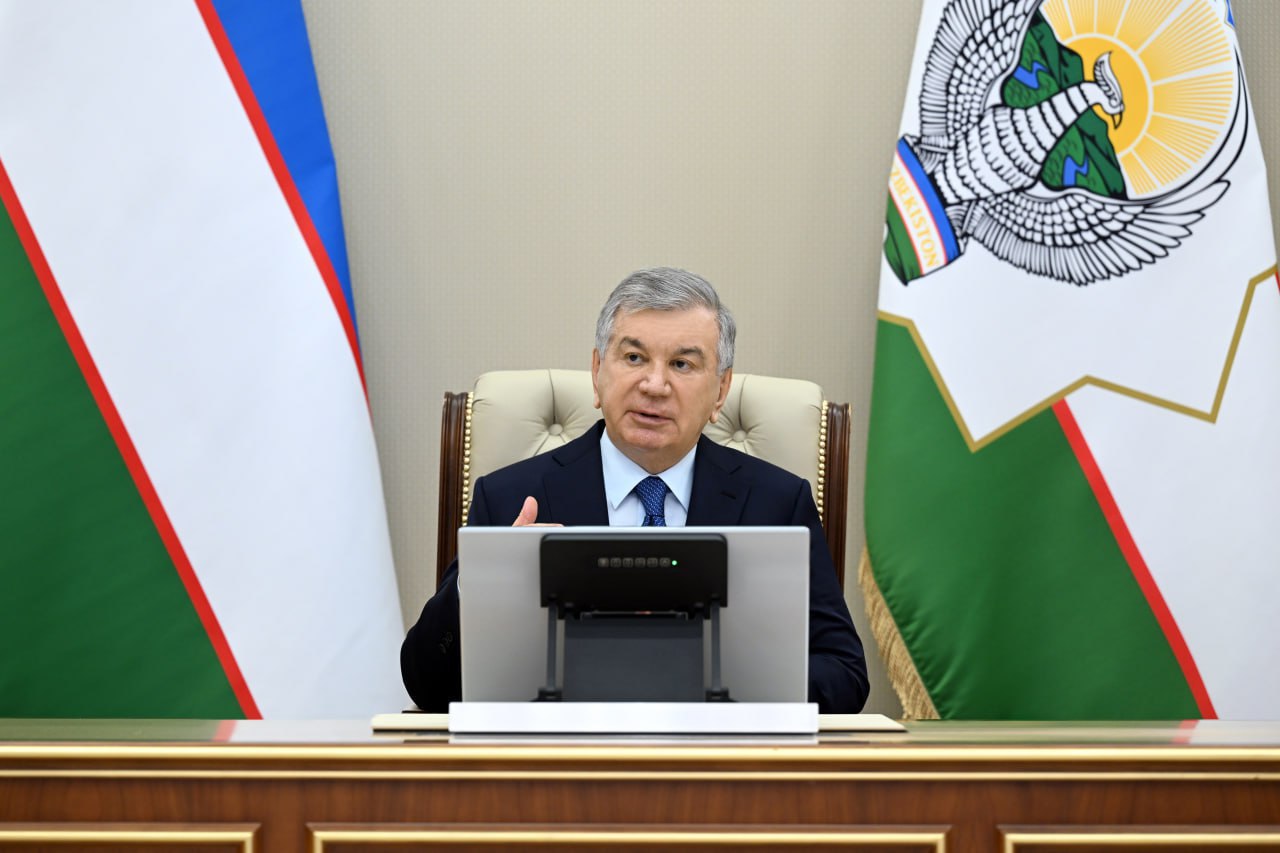
Draft programs of the highest priority reforms and the State program for the implementation of the Uzbekistan-2030 Strategy in 2026 were reported to President Shavkat Mirziyoyev year.
As noted, these projects were developed using a completely new approach based on advanced foreign experience. They define the main directions and target indicators of state policy for the current year, as outlined by the President of our country, as well as specific mechanisms for their implementation.
The differences between reform programs and the state program are particularly touched upon.
Reform programs include initiatives put forward by the head of our state in his Address to the people and the Oliy Majlis, as well as the highest priority reforms for 2026 year.
This is improving the infrastructure of mahallas and giving them the appearance of New Uzbekistan, transferring the economy to a technological and innovative growth model and stimulating demand in the domestic market, professional development and the creation of a new labor market architecture, ensuring environmental balance and organizing the rational use of water resources, as well as improving public administration and the judicial and legal system, ensuring unity in society.
Within the framework of these programs, a transition is being made from the principle of “developing documents” to the principle of “achieving results.” For each initiative, implementation mechanisms and key performance indicators (KPIs) are established to evaluate results at the end of the year. The programs have a direct action mechanism and some initiatives do not require the adoption of a separate document. For each reform program, a responsible leader with personal responsibility and a coordinating government organization are identified.
The state program for the implementation of the Strategy “Uzbekistan - 2030” in the “Year of Development of the Mahalla and the Whole Society” organizes the implementation of the strategy’s target indicators for 2026. The program approves a practical action plan consisting of 337 points. In 2026, 59 drafts of the most important regulations in the sector and 12 drafts of regulations providing for key strategic reforms will be developed.
It is noted that when developing projects, special attention is paid to taking into account public opinion. The state program was submitted for wide public discussion and during the period from January 23 to February 1, active information was provided in the media and on the Internet. More than 5 million users familiarized themselves with the project on the Internet, more than 22 thousand opinions and suggestions were expressed.
More than 50 discussions were held in universities and government institutions, in which about 10 thousand students, representatives of the teaching staff and government officials took part.
Based on the results of the studies, almost 1 thousand were selected and recognized as constructive proposals that are included in the draft State program.
In particular, initiatives were supported such as toughening penalties for violence against women and children, introducing life imprisonment for pedophilia, improving credit mechanisms for mortgages and the purchase of electric vehicles, increasing the share of renewable energy sources to 30 percent, taking the field of anti-corruption to a new level, as well as introducing the institution of juries in criminal proceedings.
In addition, such proposals as strengthening open accountability for spending funds allocated for the needs of mahallas, building roads, pedestrian and bicycle paths inside mahallas, creating business incubators, opening professional retraining centers in industrial zones, tightening responsibility for cutting down trees, introducing KPIs for energy efficiency, as well as creating recycling and recycling chains were considered interesting.
In addition, in the USA, Germany, Turkey, France, Canada, Korea, Japan, Sweden, Portugal and Kazakhstan, discussions were organized with the participation of compatriots, during which about 60 proposals were received.
Compatriots abroad made proposals such as the introduction of specific, sustainable and transparent licensing and control mechanisms for the development of the activities of non-state schools, the introduction of a system incentives and responsibility for enterprise specialists supervising trainees, implementation of a unified digital screening system to identify risk groups for the development of cervical and breast cancer, introduction of a “performance-based subsidy” model when providing preferential loans, implementation of the “Export-as-a-service” model for exporting enterprises, providing comprehensive logistics, customs, certification, marketing and payment services through a single operator, preparation of instructions and video guides on working with the electronic queue to see lawyers.
It is planned to allocate 250.5 trillion soums and raise 50.4 billion dollars to finance the implementation of programs.
The Ministry of Justice and the Accounts Chamber will constantly monitor the implementation of the State Program. The Cabinet of Ministers will discuss the progress of implementation quarterly. The progress of the program will be reported to the Legislative Chamber of the Oliy Majlis every six months and reported to the President monthly.
Responsible persons assigned to each reform program will provide the President with quarterly information on the progress of implementation. The Prime Minister is entrusted with coordinating the implementation and financing of initiatives within the framework of reform programs and strict control over their implementation.
Having reviewed the presented projects in detail, the head of our state approved the reform programs and the State program for the “Year of Development of the Mahalla and the Whole Society”, having signed the corresponding decree. It was emphasized that all ongoing reforms and implemented measures must, first of all, provide tangible results in people’s lives, expressed in the creation of new jobs, income growth and an increase in the level of satisfaction of the population.
Related news
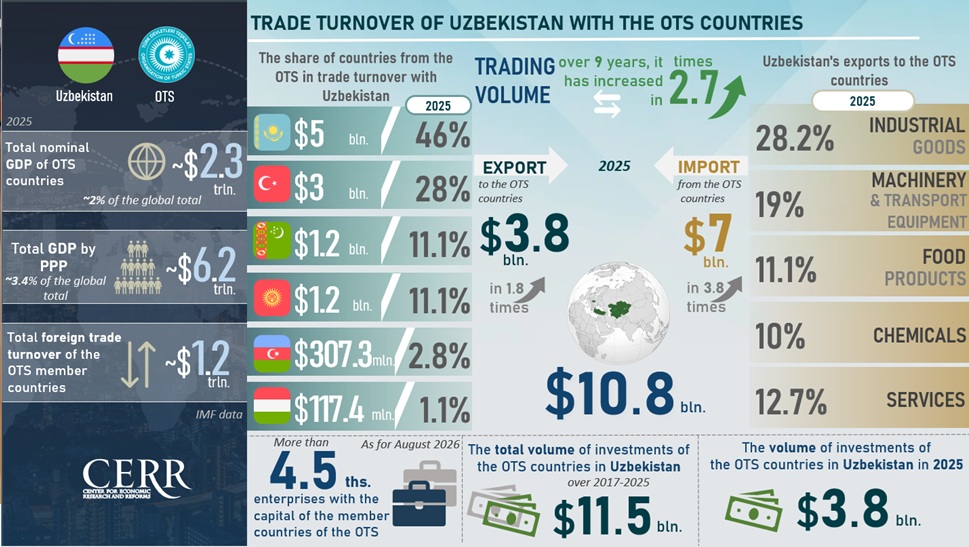
Uzbekistan has moved its economic cooperation with the Turkic states into a practical dimension
Ahead of the 13th Summit of the Organization of Turkic States, scheduled to be held in Ankara, economic cooperation within the OTS is acquiring new substance.
Water security in the turkic world: shared interests and common solutions
Water is a precious blessing that transcends national borders and has long connected peoples and civilizations.

Strengthening Transport Connectivity in Asia through the Development of the Trans-Caspian International Transport Corridor
Shifting international supply chains and expanding trade in Asia are driving demand for sustainable transport routes. For businesses, predictable delivery times, competitive rates, and reliable access to foreign markets are becoming increasingly important.