
A new stage in relations between Uzbekistan and the EU: Enhanced Partnership and Cooperation Agreement
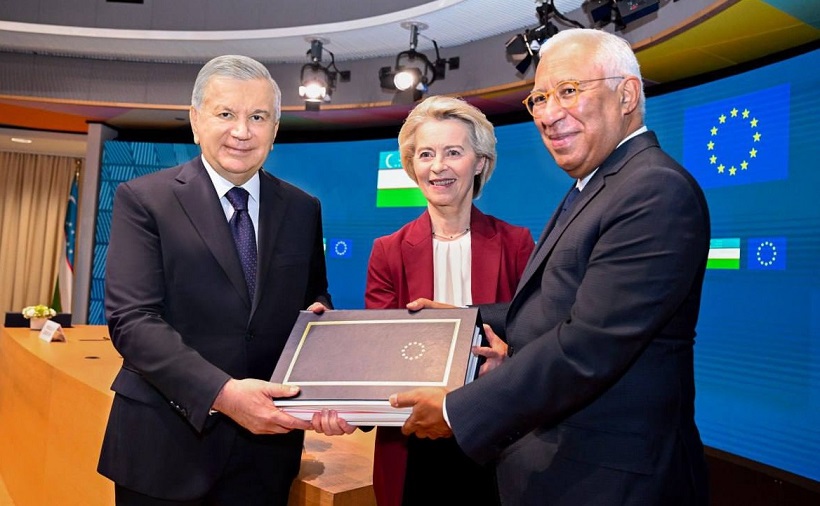
The Enhanced Partnership and Cooperation Agreement between the Republic of Uzbekistan and the European Union (EPCA) was solemnly signed on October 24, 2025. This document, the result of negotiations that began in February 2019 and ended in July 2022, was initialed in Brussels on July 6, 2022. The signing, after completing all the necessary procedures, which took some time, confirms the strategic significance of the agreement and the expansion of the scope of bilateral relations. This agreement, consisting of 9 sections, 356 articles and 14 annexes, covers almost all areas of cooperation.
The signing of the agreement, first of all, confirms the multilateral and balanced foreign policy of Uzbekistan with practical results, and at the same time it represents a positive assessment of the reforms being carried out within the country, based on the principles of the rule of law and the consistent implementation of democratic principles that meet international standards. The observed developments in the areas of human rights, open governance and market reforms have created the basis for taking the Europe-focused partnership to a new level.
By offering a concrete roadmap for socio-economic development, the CPPS will contribute to the creation of new jobs through increased trade and investment, attracting modern technologies and know-how from EU countries. At the same time, this will create the basis for industrial modernization, increased energy efficiency and lengthening of value chains in the agro-processing industry.
Collaboration in the fields of education, science and health will expand the range of interuniversity joint programs, internships, research grants and scholarships. European experience in the digital economy and green technologies has a direct positive impact on the quality of public services and the way of life of citizens.
Cooperation in the areas of the rule of law, judicial reforms, anti-corruption, personal data protection and cybersecurity creates a reliable legal environment for business and a solid basis for long-term investments.
The agreement also aims to strengthen infrastructure interconnectedness. The European Union's Global Gateway and Trans-Caspian Transport Corridor initiatives will promote joint programs in the areas of logistics hubs, green energy, water management and climate change adaptation. This will help diversify exports, increase competition in the domestic market and raise quality and safety standards to new levels.
SRPS will also open the door to cooperation in the area of strategic raw materials needed for green and digital transformation. The goal is to strengthen interconnectivity in the technological chain based on the Memorandum of Understanding signed between the EU and Uzbekistan in 2024.
In a joint statement adopted in connection with the signing, the parties recognized the CPSU as a historic document deepening the strategic partnership. Thus, commitment to the principles of international law, the UN Charter and respect for the independence, sovereignty and territorial integrity of states was confirmed. Support was expressed for the goals set at the EU-Central Asia Summit, including the Central Asia-EU Economic Forum and the Investor Forum on Trans-Caspian Connectivity, which are planned to be held in Tashkent.
The parties agreed to deepen cooperation in the field of cybersecurity, counter-terrorism, border security and addressing hybrid threats, develop digital and sustainable transport connectivity within the Global Gateway, and strengthen cooperation in the field of strategic raw materials. Particularly noted were the full implementation of the Paris Agreement, Uzbekistan's accession to the Global Methane Pledge initiative, innovative cooperation in the water and energy sector, and joint efforts to restore the Aral Sea region.
To summarize, we can say that the SRPS is more than a foreign policy success, it is an effective lever that accelerates domestic reforms. It will serve to improve the well-being of the people, the competitiveness of business and the international image of the country. Now the main task is to turn the signed commitments into measurable practical results and bring the Uzbek-European partnership to an almost new level.
Eldor Tulyakov,
Executive Director
Center "Development Strategy"
Related news
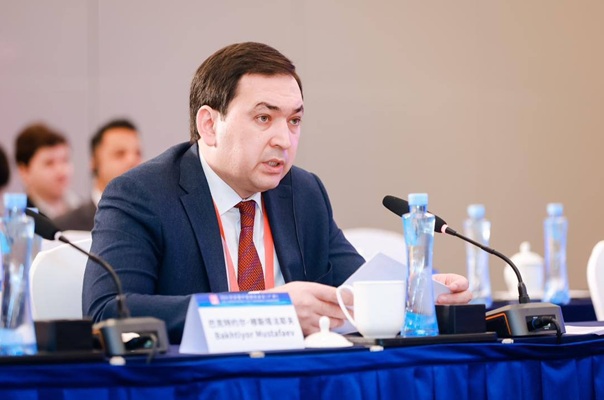
Uzbekistan and Azerbaijan Build a New Architecture of Cooperation
Deputy Director of the Institute for Strategic and Regional Studies under the President of Uzbekistan (ISRS) Bakhtiyor Mustafaev commented to a Dunyo IA correspondent on the outcomes of the Uzbekistan-Azerbaijan high-level summit held on August 23–24.
Uzbekistan’s Role in the SCO: Economy, Security and Regional Cooperation
This year, the Shanghai Cooperation Organization (SCO) is celebrating its 25th anniversary.
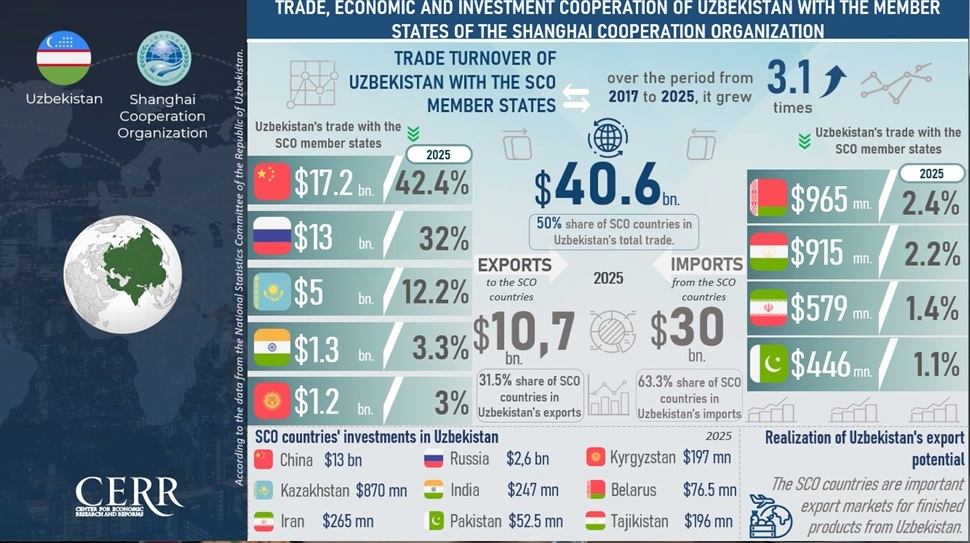
Economic Cooperation of Uzbekistan within the SCO at a New Stage of Development
The global economy is developing amid the restructuring of global supply chains.