
Accreditation of foreign media to cover the 43rd session of the UNESCO General Conference in Samarkand has begun
The Ministry of Foreign Affairs of the Republic of Uzbekistan announces the start of accreditation of media representatives to cover the 43rd session of the UNESCO General Conference in Samarkand.
Journalists wishing to take part in covering the conference must register on the UN INDICO platform and obtain accreditation.
You can fill out the online form at the following link: https://indico.un.org/event/1017853/registrations/21114/.
Media applications are accepted until 10 October 2025.
Application submitted after the specified deadline, as well as without the necessary documents and a completed application form, will not be considered.
At the same time, filing an application is not a basis for foreign journalists to enter the Republic of Uzbekistan and carry out journalistic activities without receiving accreditation confirmation issued by the Ministry of Foreign Affairs of the Republic Uzbekistan.
For additional questions, you can contact the Press Service of the Ministry of Foreign Affairs of the Republic of Uzbekistan by email: press@mfa.uz.
Related news
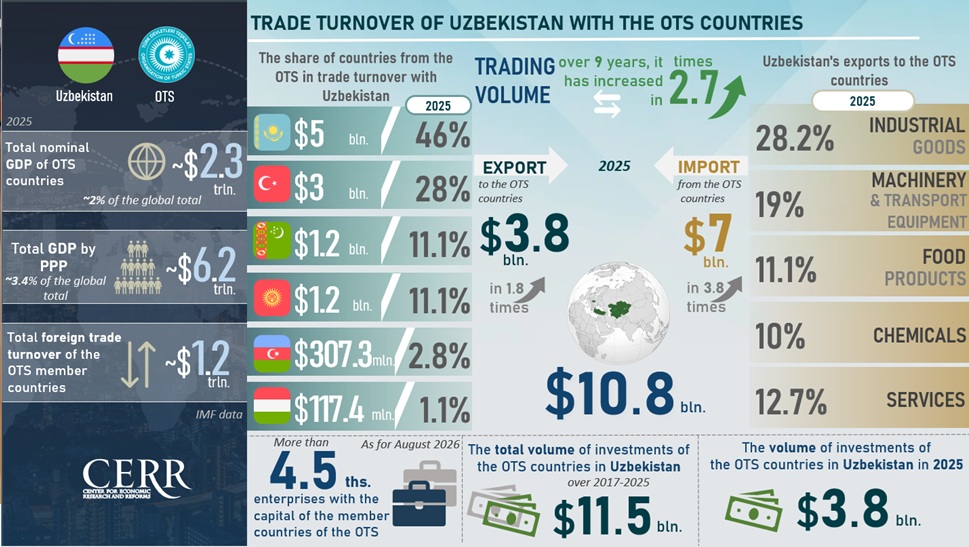
Uzbekistan has moved its economic cooperation with the Turkic states into a practical dimension
Ahead of the 13th Summit of the Organization of Turkic States, scheduled to be held in Ankara, economic cooperation within the OTS is acquiring new substance.
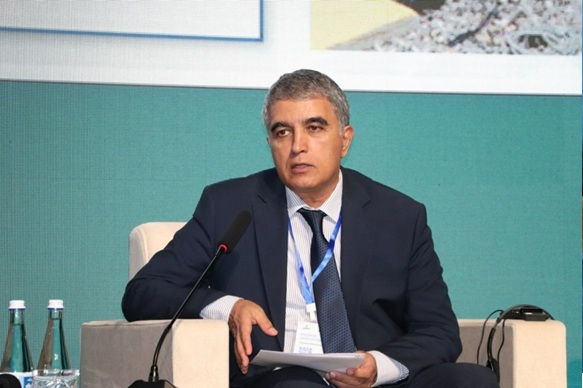
Water security in the turkic world: shared interests and common solutions
Water is a precious blessing that transcends national borders and has long connected peoples and civilizations.

Strengthening Transport Connectivity in Asia through the Development of the Trans-Caspian International Transport Corridor
Shifting international supply chains and expanding trade in Asia are driving demand for sustainable transport routes. For businesses, predictable delivery times, competitive rates, and reliable access to foreign markets are becoming increasingly important.