
Akramjon Nematov: In the Address of the President of Uzbekistan, the key emphasis was placed on the socio-economic development of the country, increasing the well-being of the population and increasing the competitiveness of the economy
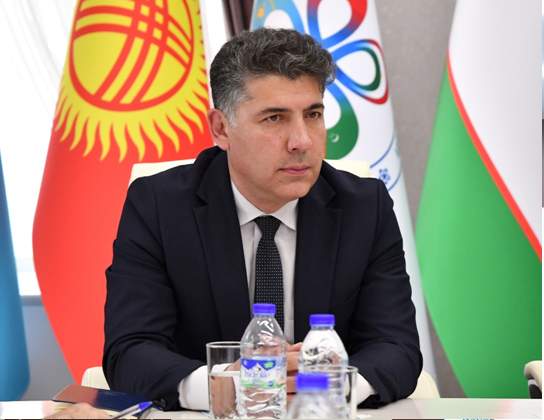
What was the focus of President Shavkat Mirziyoyev’s attention during his speech to the Oliy Majlis and the people of Uzbekistan and what signals were addressed to both internal and and external audiences. Akramjon Nematov, First Deputy Director of the Institute for Strategic and Interregional Studies under the Head of our State (ISRS), answered this question from a Dunyo news agency correspondent.
In particular, the expert noted that the key emphasis was placed on the socio-economic development of the country, increasing the well-being of the population and increasing the competitiveness of the national economy. According to him, the leader of Uzbekistan clearly indicated that it is the economy, sustainability of development and quality of growth that today determine the capabilities of Uzbekistan both within the country and in external interaction.
As Akramjon Nematov emphasized,despite the complex and fragmented external environment, the economy of Uzbekistan is demonstrating sustainable growth rates. This year, for the first time in the country's history, GDP exceeded $145 billion, while nine years ago, reaching $100 billion was perceived as an extremely high bar. At the same time, even as global supply chains were disrupted, exports grew by 23% to $33.4 billion, electricity production in 2025 amounted to 85 billion kilowatt-hours, and gold and foreign exchange reserves exceeded $60 billion. This year, $43.1 billion of investments were attracted into the country's economy, resulting in the share of investments in GDP reaching 31.9%, which indicates an increase in the investment attractiveness of the country.
In this regard, the expert noted, maintaining high rates of economic growth will remain an absolute priority, however, it is fundamentally important that the emphasis shifts from quantitative expansion to the transition to a technological and innovative development model. We are talking aboutthe formation of an economy based on knowledge, innovation and high technology, industrial modernization, development of the digital economy, scientific research and technology transfer. As Akramjon Nematov emphasized, “an innovative economy forms long-term competitiveness and allows reducing dependence on raw materials, which is critically important in conditions of global instability.”
The President of Uzbekistan identified stimulating domestic demand as another strategic priority. According to the expert,the development of the domestic market is considered a key source of sustainable growth, including increasing household incomes, supporting small and medium-sized businesses and expanding access to financial instruments. It is domestic demand that creates sustainable sources of development and protects the economy from external shocks, he emphasized.
Special attention, according to Akramjon Nematov, was paid to the development of professions and the formation of a new labor market architecture. The President outlined the tasks ofmodernizing the vocational education system, developing new competencies and forming a flexible, adaptive labor marketthat meets the requirements of the modern economy. The labor market and profession determine the quality of human capital - a key resource of the 21st century, the ISMI representative emphasized.
At the same time, ensuring environmental balance, developing “green” energy and rational use of water resources are identified as important areas. The transition to sustainable development, the introduction of renewable energy sources, increasing energy and water efficiency and adaptation to climate change are considered strategic objectives. Ecology and “green” energy today are a factor in national security and sustainable development, says Akramjon Nematov.
Among the key tasks, the President of Uzbekistan also highlighted the formation of modern public administration and a fair judicial system. The focus is onincreasing the efficiency, transparency and accountability of public administration, strengthening the rule of law, digitalization of public services and reforming the judicial system. As the expert emphasized, effective governance and a fair trial form trust, investment attractiveness and sustainable stability.
Taken together, he noted, these priorities reflect the transition of Uzbekistan from quantitative development to a qualitative model of modernization, focused on long-term results.
Based on the identified guidelines, asystem of key keys is being formed priorities of cooperation between Uzbekistan and foreign partners, focused on the qualitative deepening of interaction.
The first priority is technological and industrial partnership. We are talking about the creation of joint production with high added value, the localization of advanced technologies and the implementation of joint research and development work. The strategic task is the transition from simple borrowing of technologies to their joint development and implementation.
The second priority is the development of human capital. It includes joint training and retraining programs, sustainable interaction between universities, research centers and business, as well as the formation of new competencies in demand in the modern economy. The goal is to ensure the sustainability of reforms and improve the quality of the workforce.
The third priority is green energy and resource efficiency. The main emphasis is on joint projects in the field of renewable energy sources, water-saving technologies and environmental solutions. This is seen as a tool to reduce environmental risks and increase the long-term sustainability of the economy.
The fourth priority is infrastructure and multi-level connectivity. The development of transport, logistics and digital infrastructure is aimed not only at deepening the integration of Uzbekistan into external regional and global chains, but also at strengthening internal connectivity between the regions of the country, reducing territorial imbalances and increasing access to markets, services and economic opportunities. Taken together, this strengthens the role of Uzbekistan as a sustainable regional hub for cooperation and transit.
The fifth priority is institutional development and quality of public administration. It includes promoting the principles of fair and effective public administration, the formation of a fair and independent judicial system, increasing the efficiency and professionalism of the state apparatus, as well as the exchange of experience in the field of digitalization of public services. These measures create apredictable institutional environment, strengthen the confidence of investors and partners and serve as the foundation for sustainable long-term international cooperation.
Summarizing, Akramjon Nematov emphasized that Uzbekistan views cooperation with foreign partners as strategic and aims to transition from large-scale, but predominantly quantitative interaction to quality partnership, focused on technology, human capital and sustainable growth that meets the long-term interests of all parties.
IA "Dunyo"
Related news
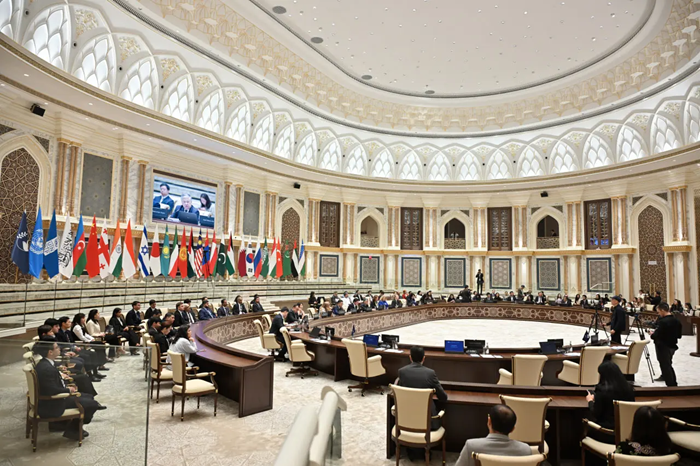
Tashkent Hosts the Tech Diplomacy Asia Symposium
On October 14, 2026, the Tech Diplomacy Asia Symposium was held at the Center of Islamic Civilization in Uzbekistan. The event was jointly organized by the Ministry of Foreign Affairs of the Republic of Uzbekistan and the Tech Diplomacy Global Institute (TDGI).
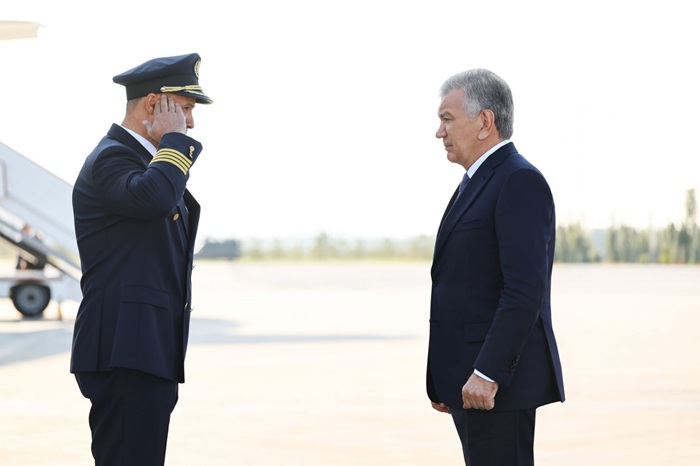
President of Uzbekistan departs for Azerbaijan
President Shavkat Mirziyoyev departed for Baku on October 14 on a working visit at the invitation of President of Azerbaijan Ilham Aliyev.
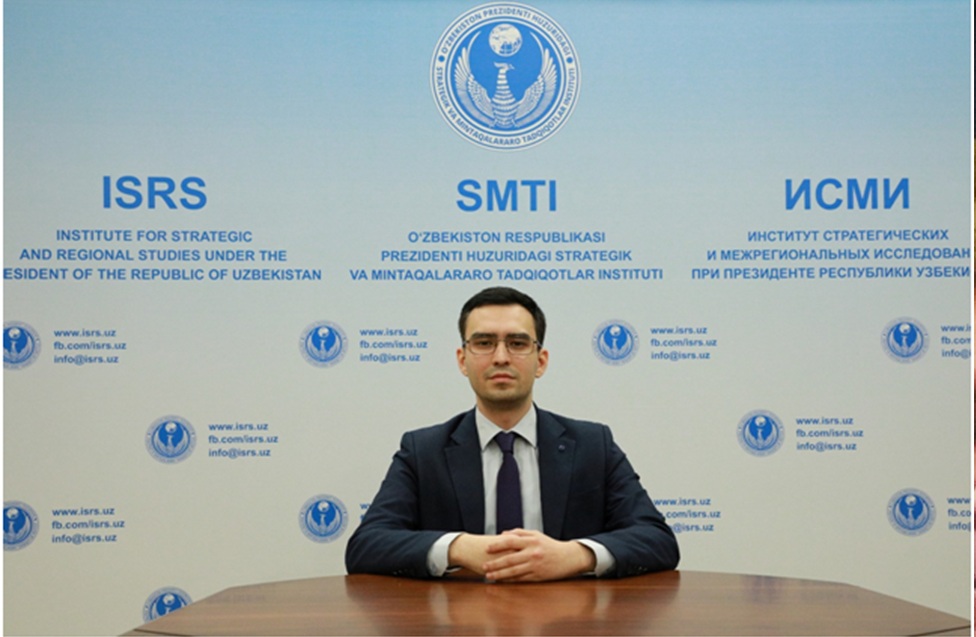
CICA amid a Crisis of Trust: Uzbekistan’s Role in Strengthening Cooperation in Asia
The seventh summit of the Conference on Interaction and Confidence Building Measures in Asia (CICA) will take place in Baku on 15 October.